
- The 15-Year Line, explained plainly
- FS 627.7011 inspection right
- Written scope before work begins
Roof Replacement in Palm Beach County, From Tear-Off to Closed Permit
A replacement is the biggest decision a roof ever asks of its owner, and Palm Beach County adds its own stakes: the new roof resets your insurance age clock, closes with a county or city permit record, and gets built to current Florida Building Code fastening and underlayment standards. Palm Beach Roofing Help connects homeowners with roofers who run this process across the county every week, on shingle, tile, metal, and low-slope homes.
When replacement is the honest answer
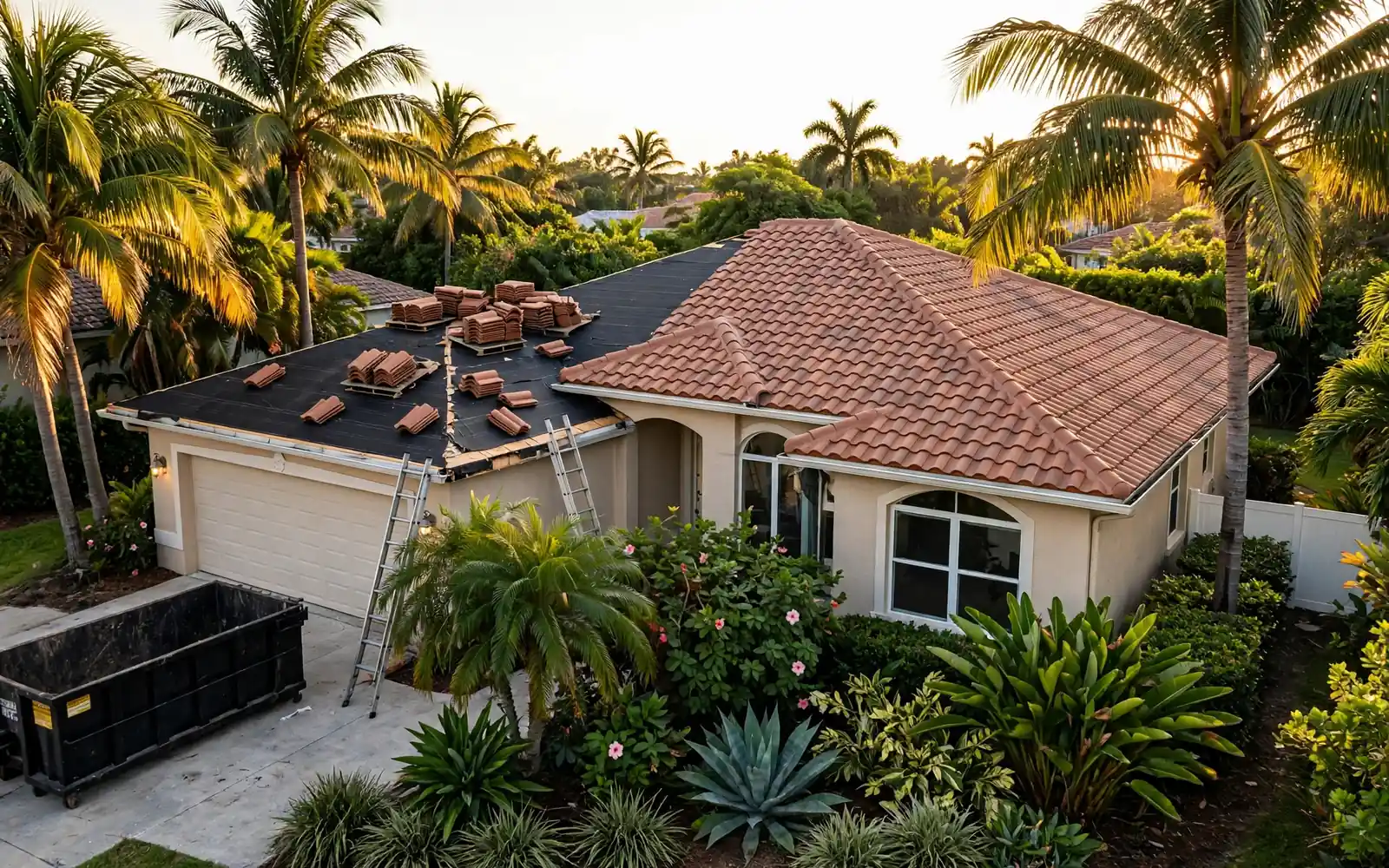
Wear across the whole field, granules gone and tabs curling on every slope. Underlayment failed beneath tile that still looks proud. Repeated repairs chasing leaks that keep moving. An insurance inspection that found under five years of useful life. Any one of these can start the replacement conversation, and the evidence should come with photos. A roofer who recommends replacement owes you the findings in pictures and the scope in writing.
The process, in order
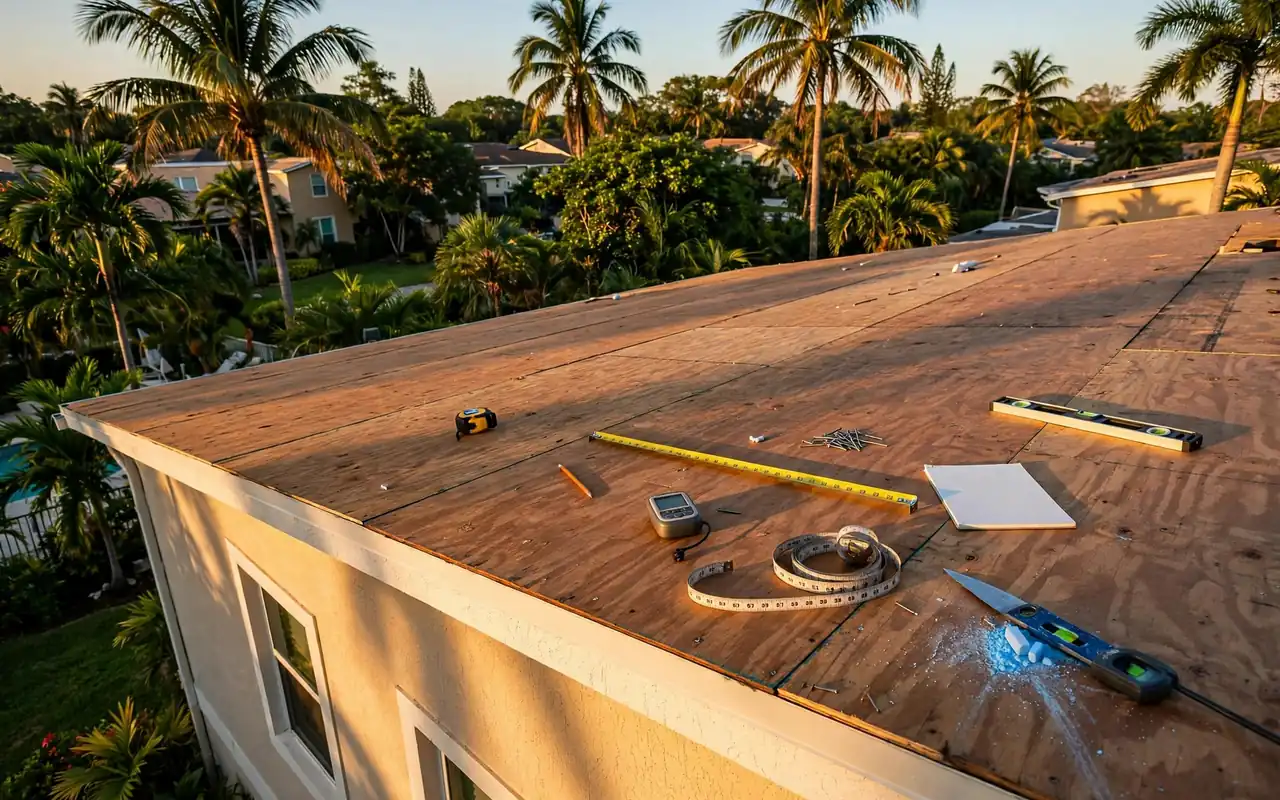
Inspection and written scope. Measurements, material findings, deck expectations, and the full work list, in writing, before agreement.
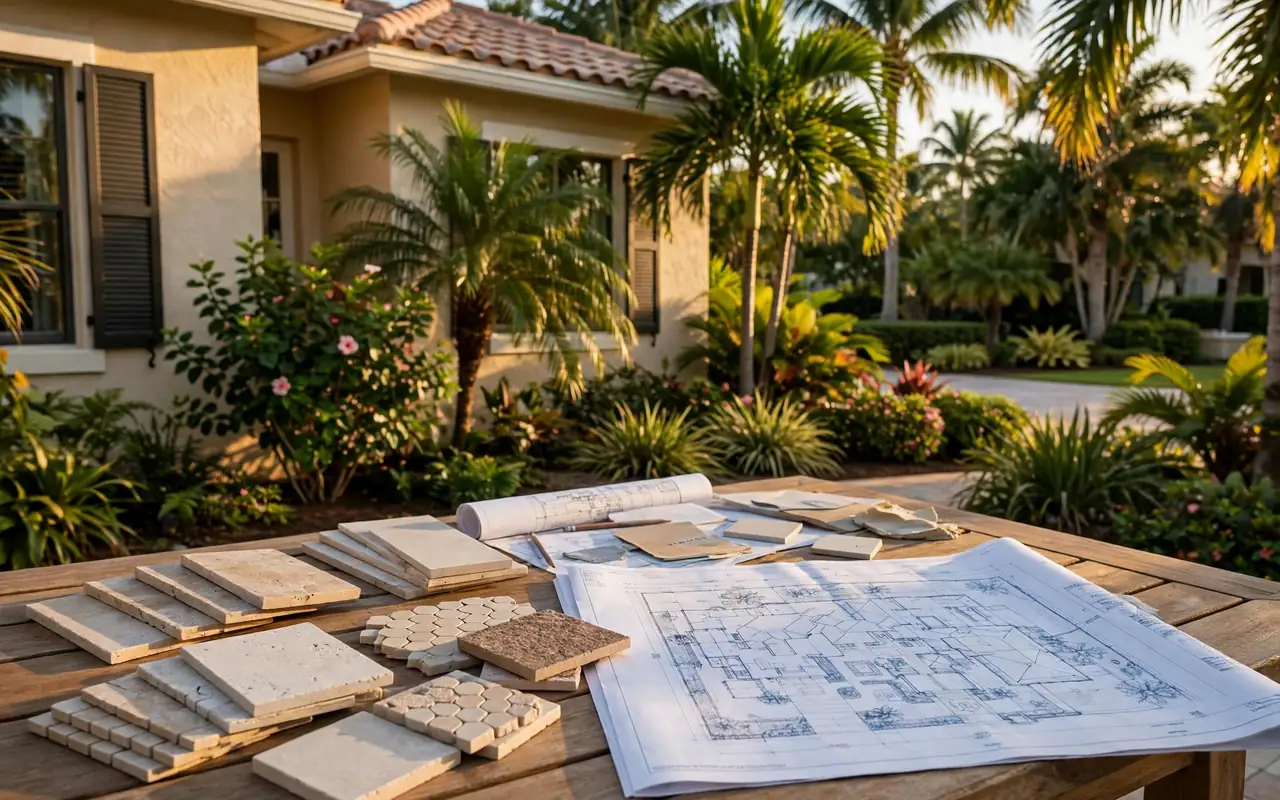
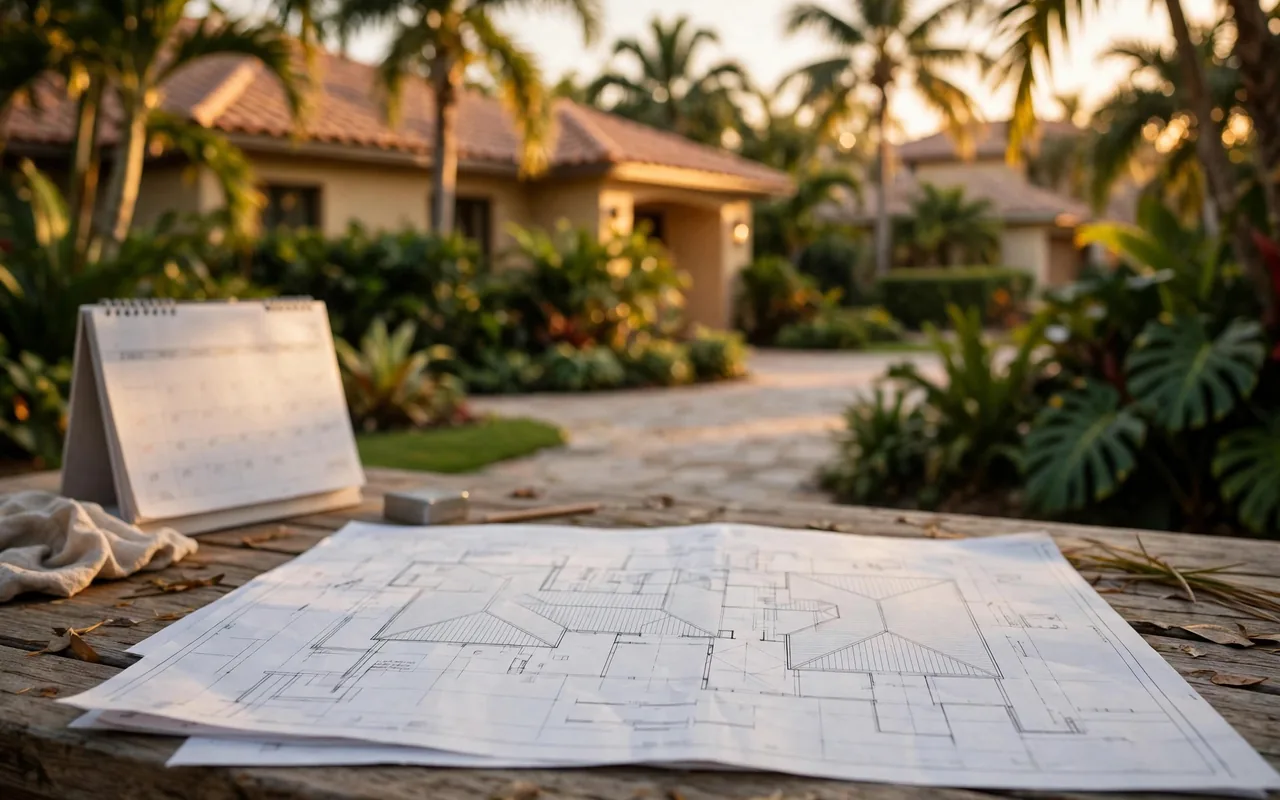
Association approval, where it applies. In deed-restricted communities, color and profile approval comes before the permit. Boca Raton's architectural reviews are the county's most involved, and they belong at the front of the calendar.
Permit and plan review. Re-roofing in Palm Beach County requires a building permit with plan review. Boca Raton and Riviera Beach run their own building departments, and other addresses file with the city or county that holds jurisdiction.
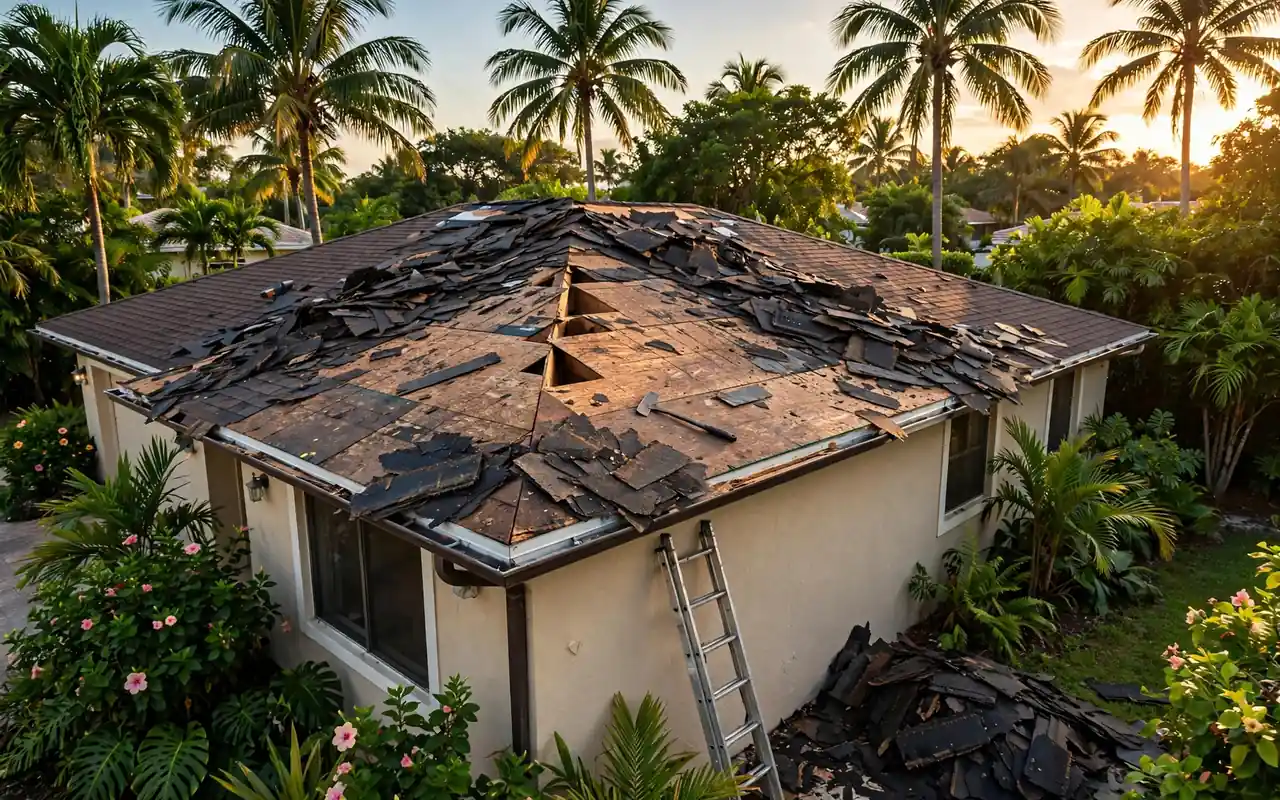
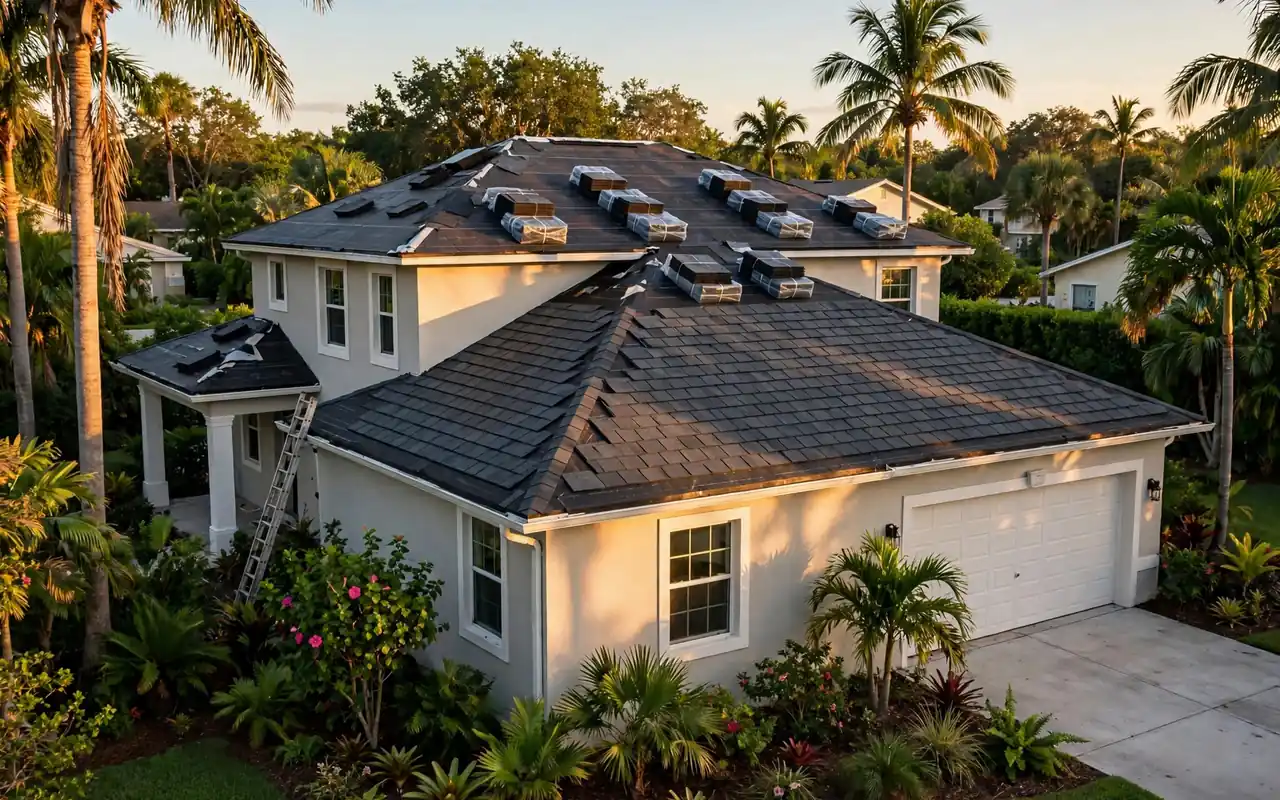
Tear-off and deck check. The old covering comes off to the deck. Soft or damaged deck sections get repaired while everything is visible.
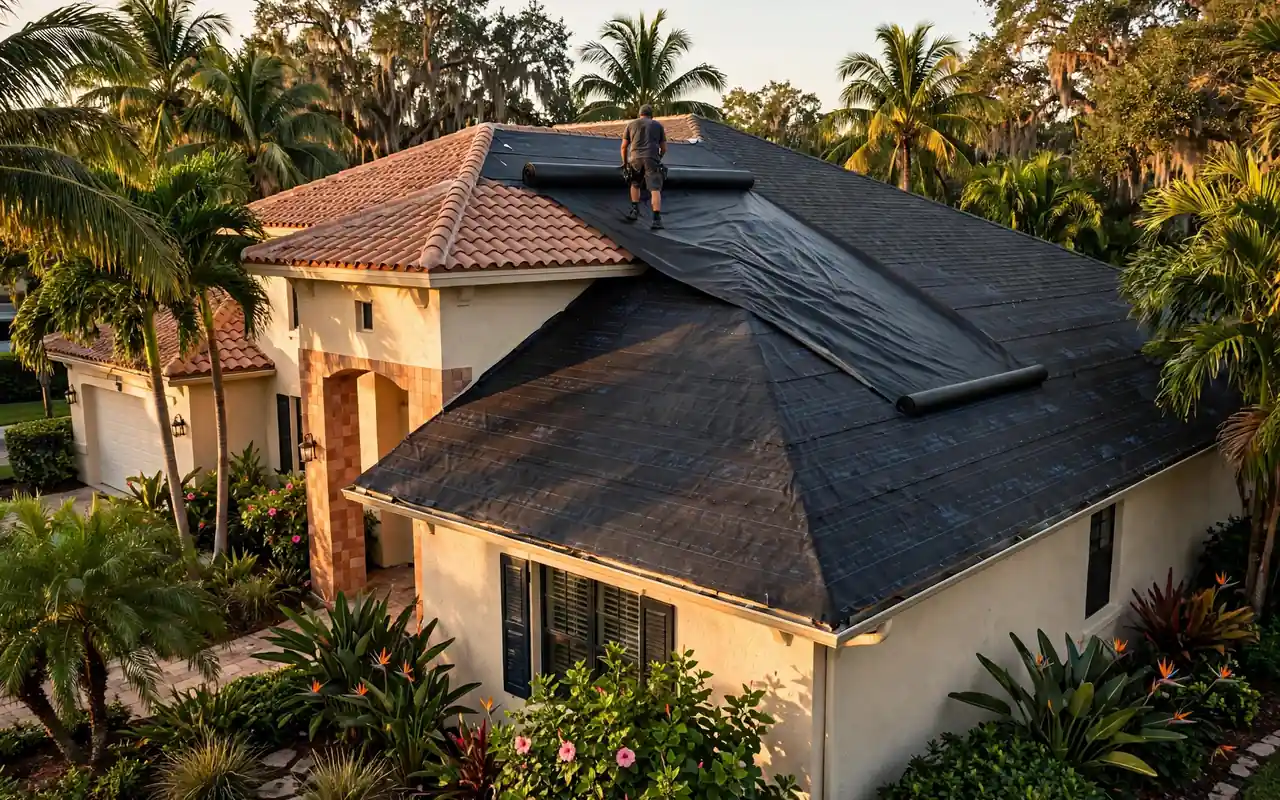
Underlayment and dry-in. Modern underlayment systems go down across the whole roof, and the dry-in inspection verifies this stage before covering begins.
Covering. Your material goes on: shingle, tile, metal, or a low-slope system, fastened to current code patterns.
Final inspection and closed permit. The final inspection closes the job, and the permit record documents your new roof's date for every future insurance conversation.
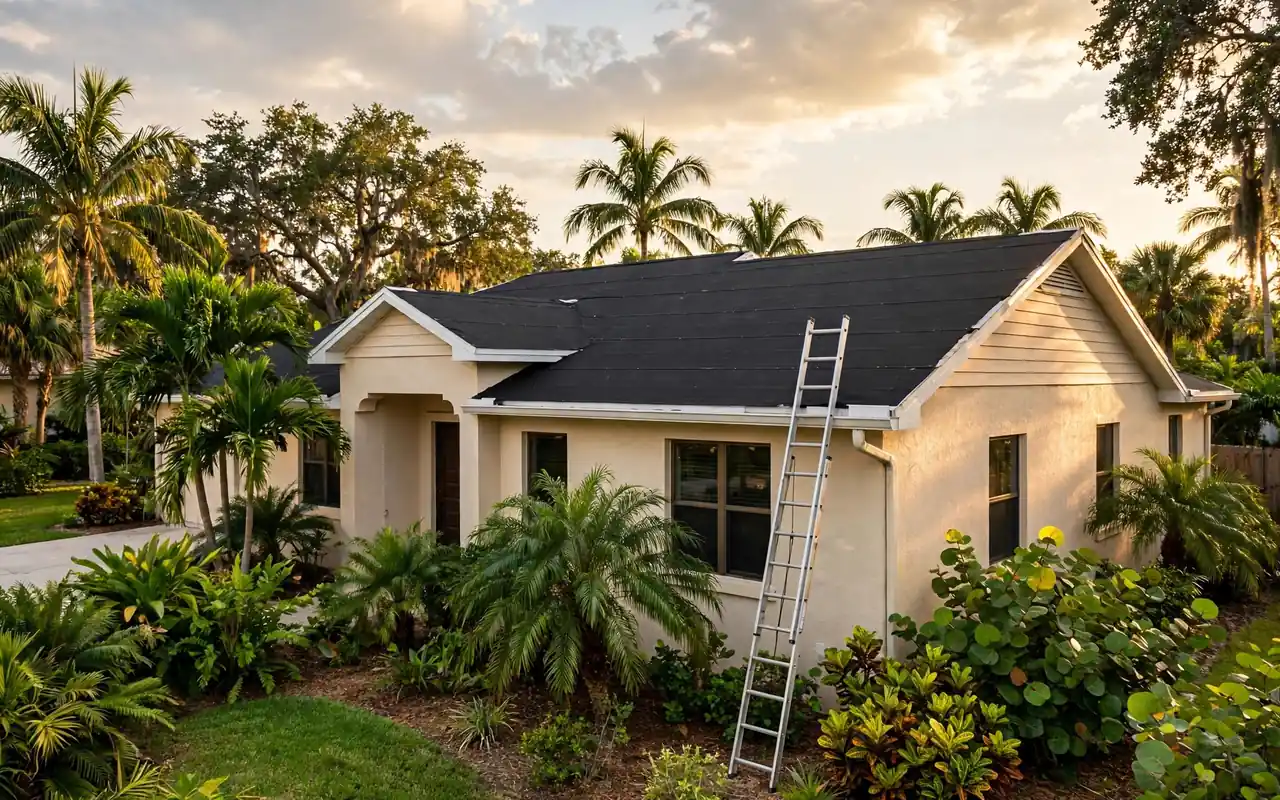
Shingle replacement, in depth
Shingle is the county's workhorse covering, common on the older inland stock in West Palm Beach, Lake Worth Beach, Boynton Beach, and Greenacres, and it folds into this page because a standalone shingle page would say the same things thinner. Architectural shingles are the modern standard here, with profiles and colors that satisfy most community palettes. A shingle replacement is also a straightforward full replacement to execute: tear-off, deck work, underlayment, and shingles can move slope by slope, and the material sits at the start of the cost ladder described below. Owners weighing longevity often compare shingle against metal on the same call, trading the ladder's first rung against its longest runway.
The word ladder, again
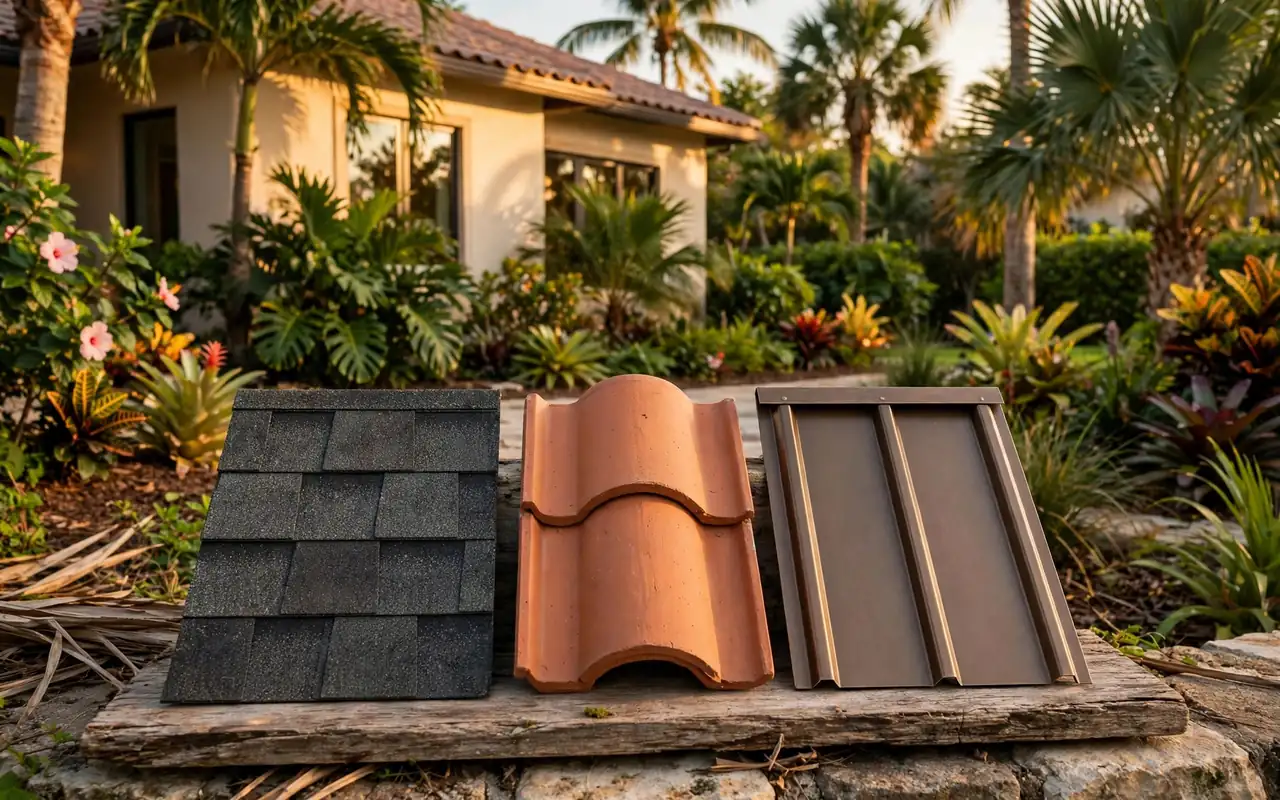
Materials climb in a consistent order: asphalt shingles, then single-ply systems for low-slope sections, then tile, then metal, then slate. Your home's size, pitch, deck condition, and tear-off layers place the job on that ladder. This site publishes no figures, because a figure without an inspection is a guess. The written scope is where your number lives.
Replacement and the insurance clock
Florida Statute 627.7011 counts roof age from the last date the full surface was built or replaced. A completed replacement therefore resets the age that insurers calculate from, and the closed permit proves the date. Homeowners replacing after an inspection found under five years of life gain both a new roof and a clean paper position. Our 15-year guide explains the framework around that reset.
Frequently asked questions
How much does a roof replacement cost in Palm Beach County?
Materials climb a ladder: shingles first, then single-ply, then tile, then metal, then slate. Roof size, pitch, layers coming off, deck repairs, and community approval requirements all shape the total. Ask on the call for an inspection and a written scope, the only figure built from your actual roof.
How long does a roof replacement take?
For a typical single-family home, the work often runs about a week once the permit is in hand. Tear-off and dry-in occupy the early days, inspections pace the middle, and tile jobs run longer than shingle because every piece is handled. Weather can pause any stage. Ask for your home's sequence on the call.
Do I need a permit to replace my roof?
Yes. Re-roofing requires a permit with plan review, a dry-in inspection, and a final inspection. The filing office is the city or county holding jurisdiction over your address, and Boca Raton and Riviera Beach run their own building departments. Roofers handle the filing as part of the job.
What roofing materials are approved in Palm Beach County?
The Florida Building Code governs approved systems, and the county's wind requirements shape fastening and underlayment choices. Communities with architectural review add color and profile rules on top. Shingle, tile, metal, and single-ply systems all have approved forms here, and a roofer can match the options to your home and your community's documents.
Will a new roof help my insurance situation?
A replacement resets your roof's statutory age and produces a closed permit documenting the date. Insurers make their own pricing and coverage decisions, and a wind mitigation report on form OIR-B1-1802 can document storm-resistant features for credit calculations. The roof itself, built to current code, is the strongest paper in the file.
Can part of my roof be replaced and part repaired?
Partial work happens, and it carries two cautions. The statutory age clock resets only when the full surface is replaced. And Florida's 25 percent rule can bring code requirements into larger partial jobs. A roofer can map a partial plan against both rules before you commit.
What happens to my old tile during a replacement?
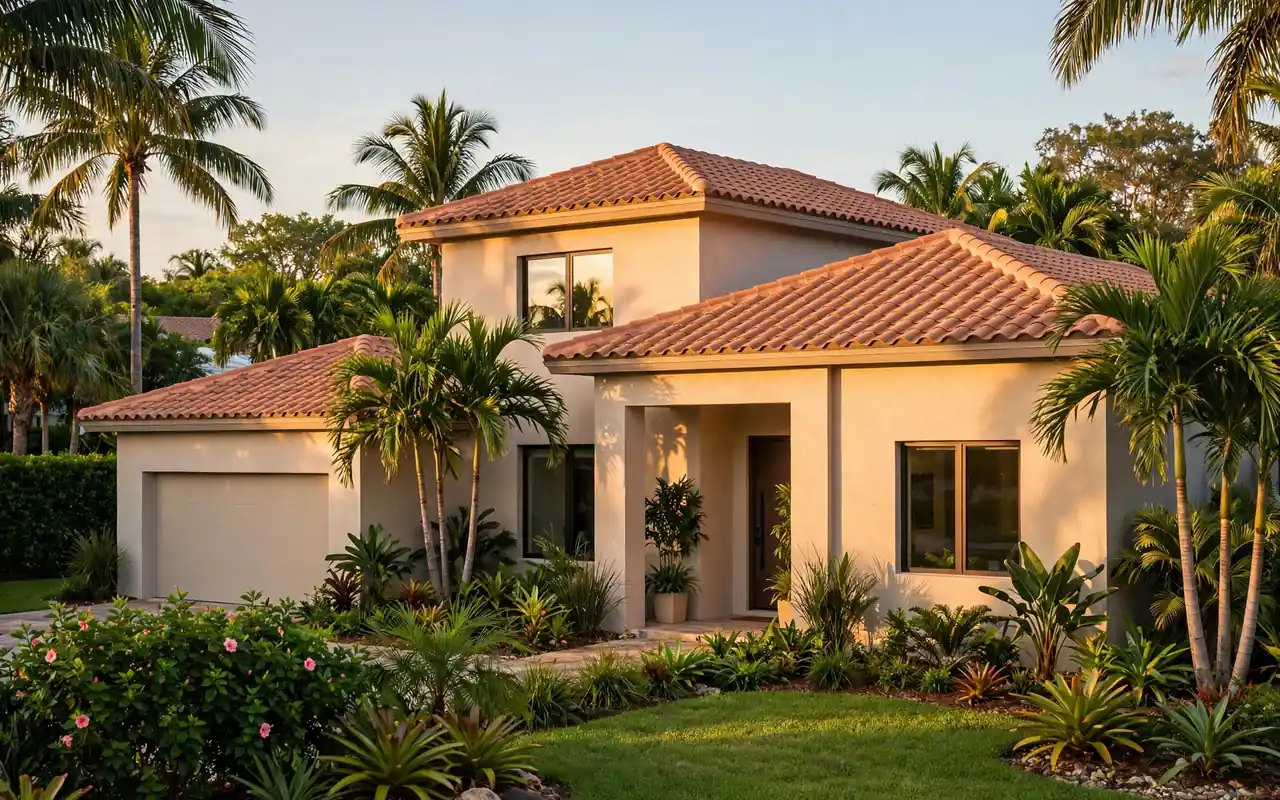
Sound tile sometimes returns to the roof through a lift-and-relay, where the tile is reused over new underlayment. Tile that is cracked, mismatched, or at the end of its own life gets replaced. The inspection sorts your tile into those paths, and our tile roof page covers the craft in depth.
Replacement is a sequence, and sequences can be planned
Call with your roof's material, its approximate year, and any letter you have received, and hear the steps laid out for your home in order.
Questions about a roof, a letter, or a deadline start with a call.
Call Now{{TRACKING_NUMBER}}