
- Bring the letter and its deadline
- Inspection documents remaining life
- Repair stays on the table
Insurance Says Your Roof Is Too Old? That Letter Comes With More Room Than It Admits
Florida law gives a roof 15 years and older an inspection path before an insurer can demand a replacement on age alone. A local roofer can document the life your roof has left, with photos and a written report.
Call with your letter nearby. The deadline date is the first thing to share.
When your insurer writes to say your roof is fifteen years or older, Florida Statute 627.7011(5)(c) gives you the right to an inspection by an authorized inspector before the company can require replacement as a condition of your coverage. This page is about that inspection. Palm Beach Roofing Help connects homeowners with roofers and inspectors who perform this work across the county.
What the statute requires, and what it promises
For a roof under fifteen years old, section (5)(b) bars an insurer from refusing to issue or renew a policy solely because of roof age. For a roof at least fifteen years old, section (5)(c) requires the insurer to allow an inspection by an authorized inspector, performed at the homeowner's expense, before requiring replacement as a condition of issuing or renewing. When the inspection indicates the roof has five years or more of useful life remaining, the insurer may not refuse solely because of roof age. Section (5)(d) sets the age calculation: from the last date when 100 percent of the roof surface was built or replaced. The provisions apply to policies issued or renewed on or after July 1, 2022.

Who can perform this inspection
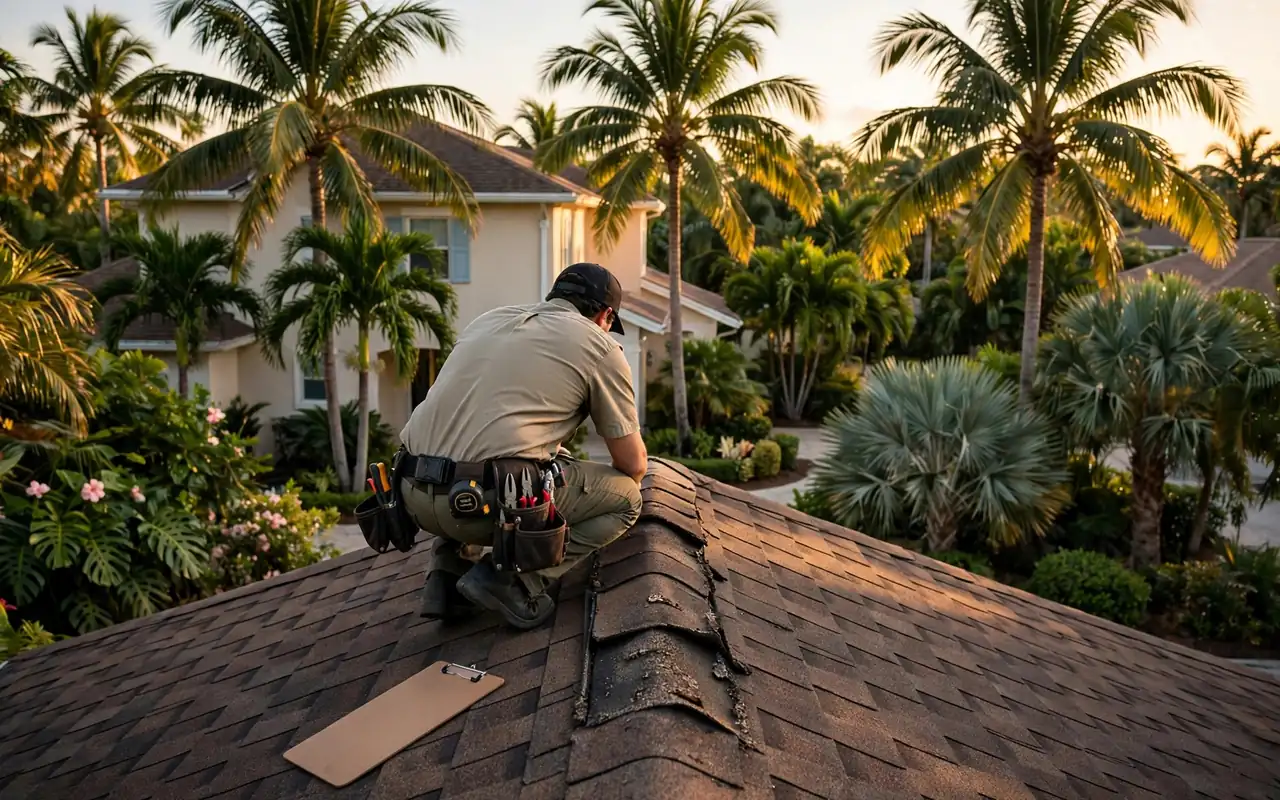
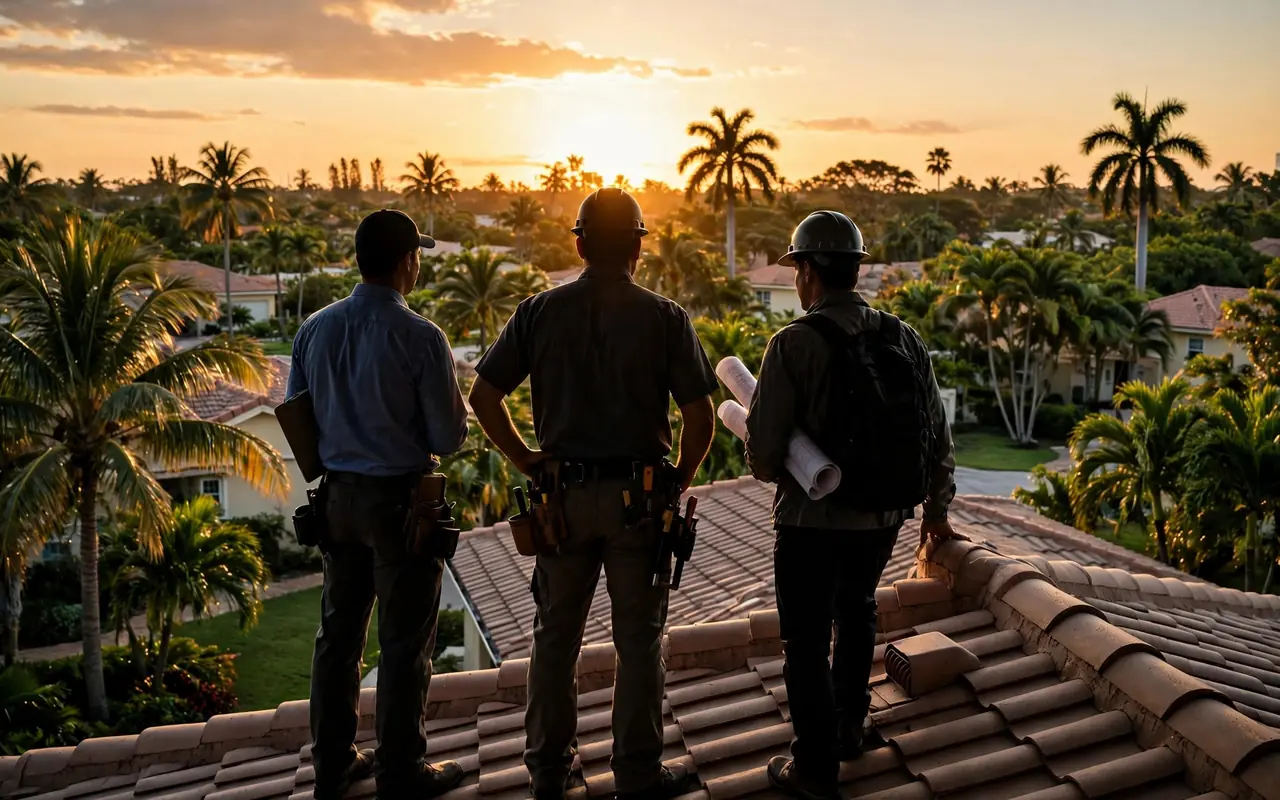
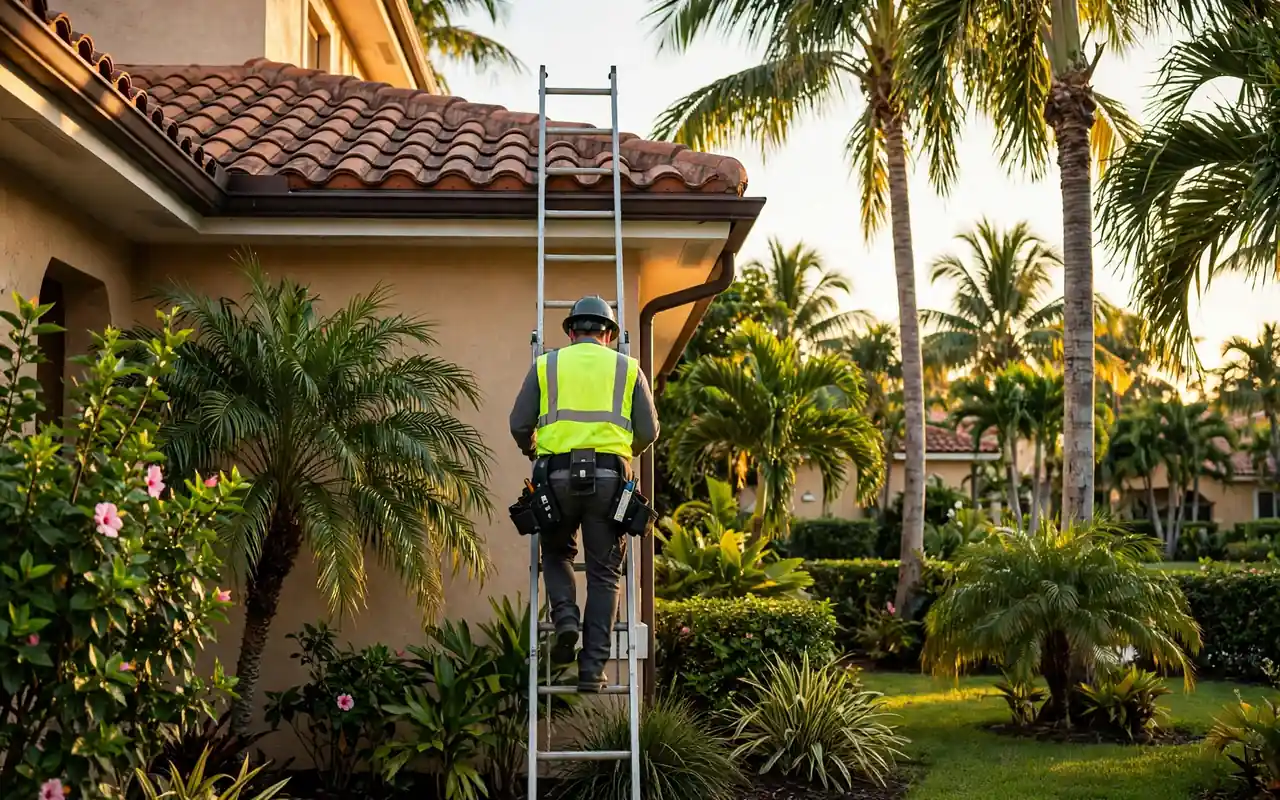
Section (5)(a) names the authorized inspectors: a licensed home inspector, a building code inspector certified under Florida law, a licensed general, building, or residential contractor, a licensed roofing contractor, a licensed professional engineer, a licensed professional architect, or another inspector the insurer identifies as qualified. A roofing contractor brings a working roofer's eye to the visit, reading underlayment clues, flashing condition, and repair history the way someone who rebuilds these systems does. Ask on the call who will perform your inspection and under which of the statute's categories.
What the inspector examines
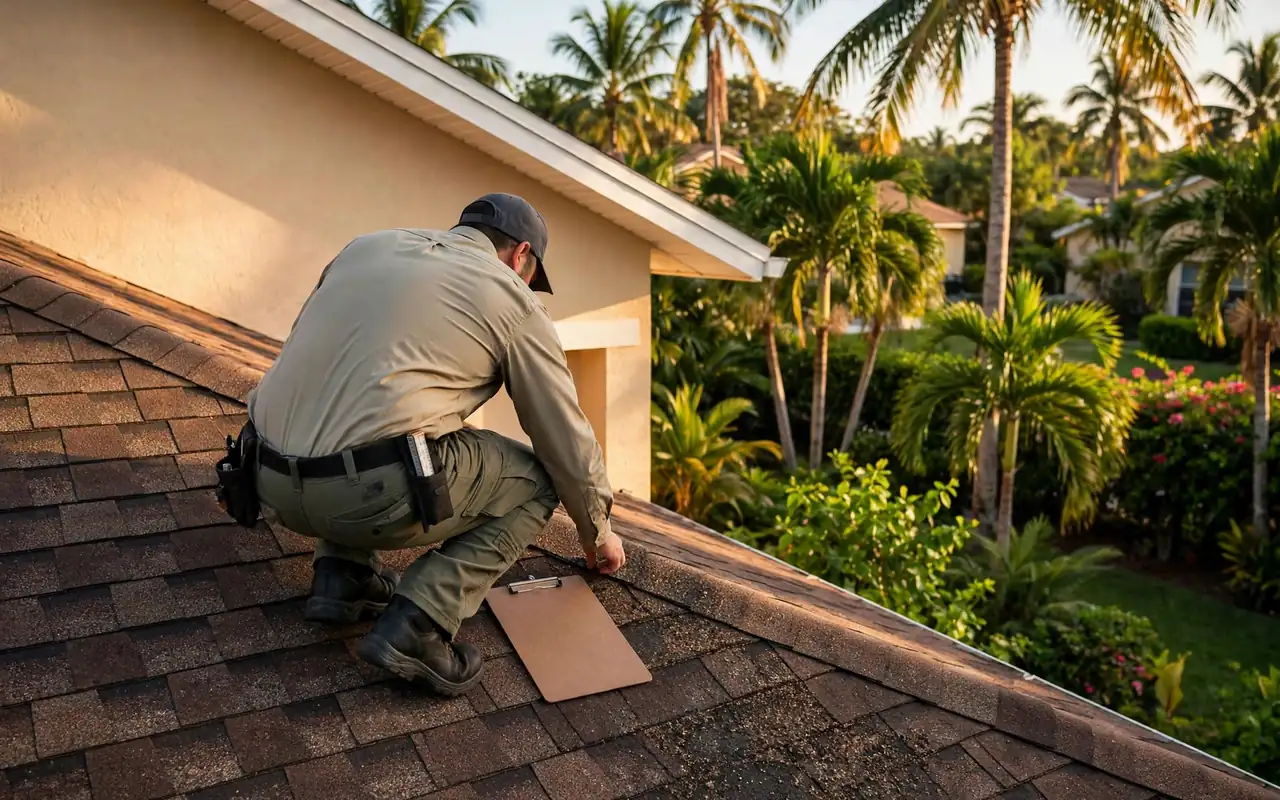
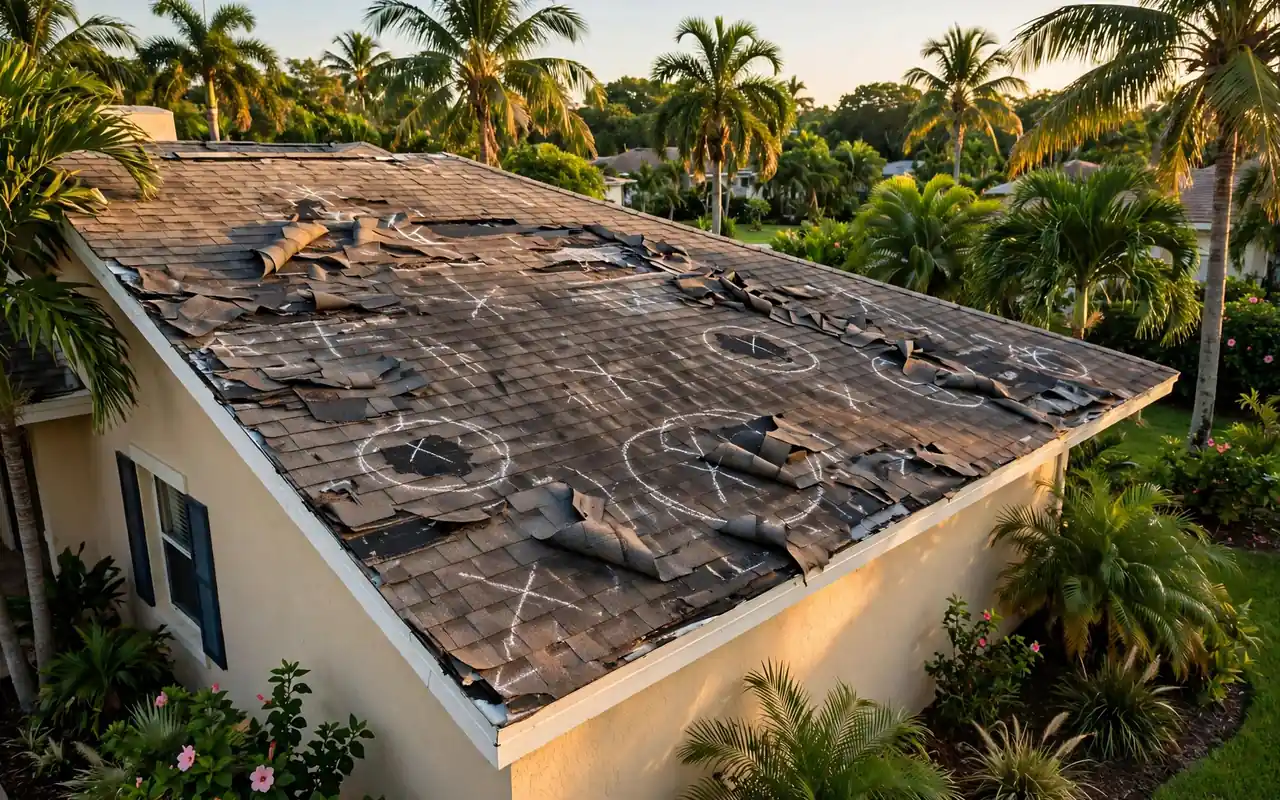
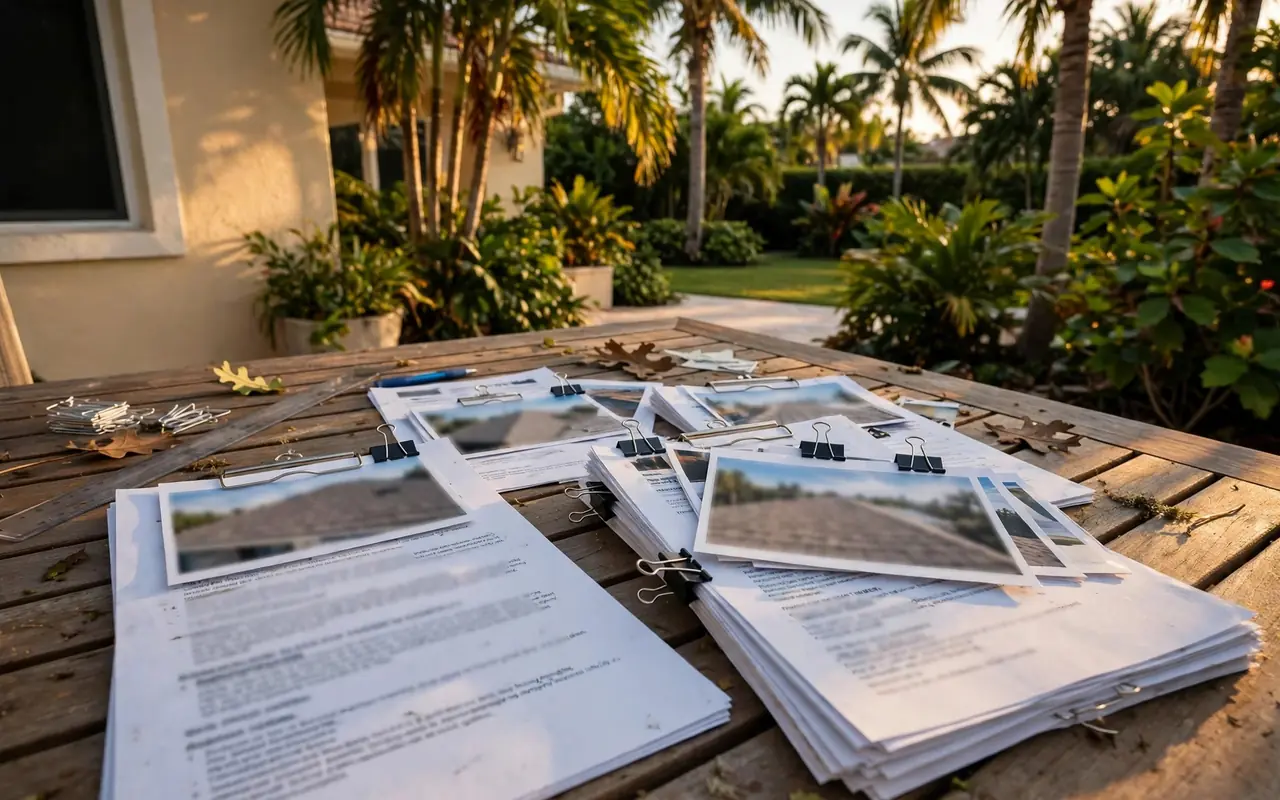
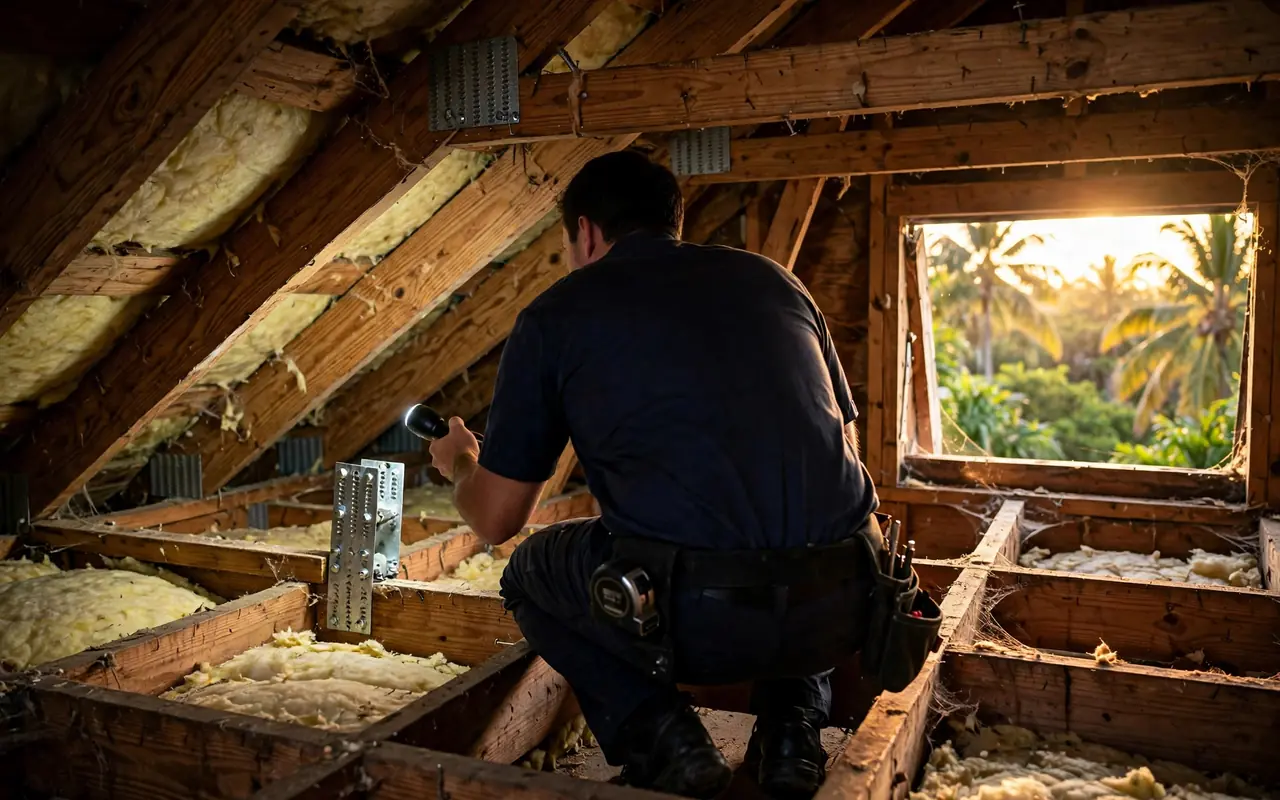
The visit covers the whole roof. Covering condition comes first: granule wear and curling on shingle, cracked or slipped tile, seam and fastener condition on metal and low-slope systems. Then the details that decide leaks and lifespan: flashing at walls, chimneys, and valleys; vent boots and penetrations; edges and ridges; underlayment evidence at eaves and sample points on tile; drainage and ponding on flat sections; and corrosion on coastal homes. Attic signs, such as staining and daylight at joints, round out the picture. Photos document each finding, and the report states the useful-life judgment the whole exercise turns on.
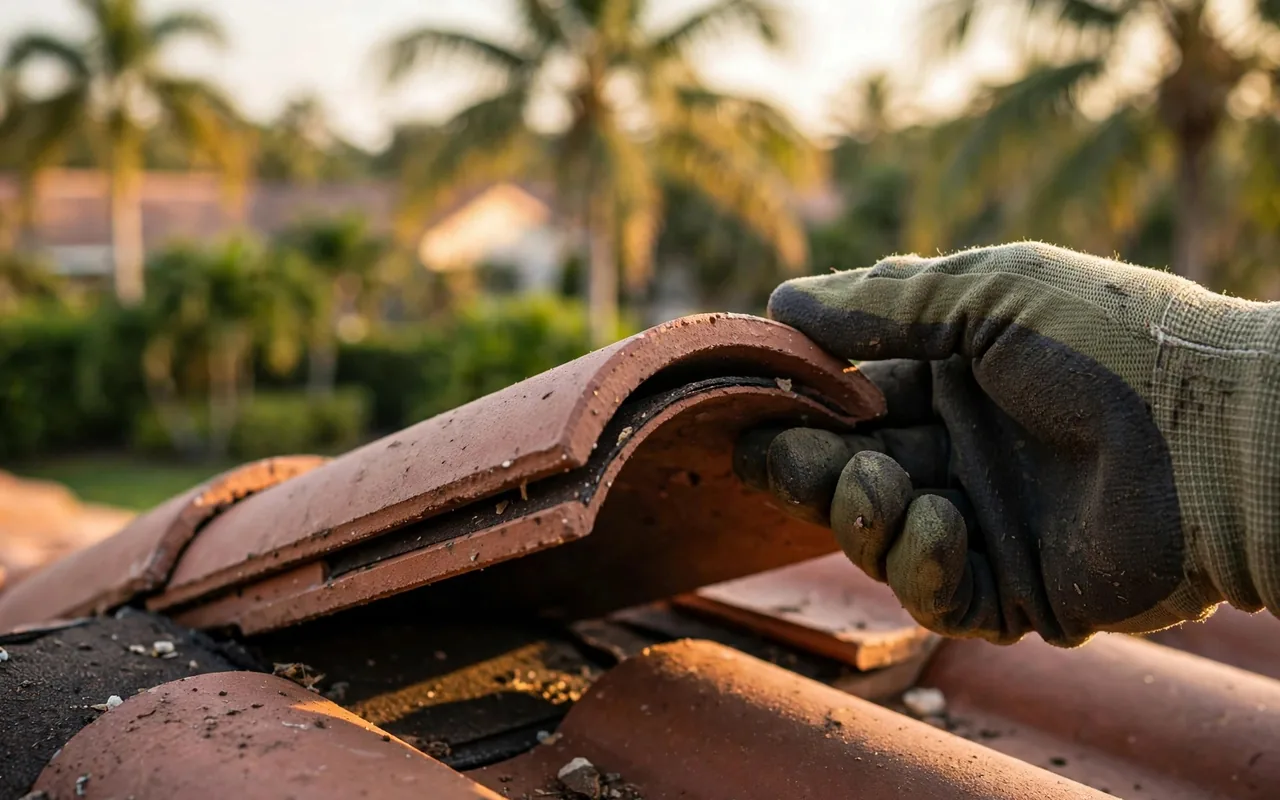
The two outcomes
Five years or more of useful life. The report answers the age objection with evidence, and the statute blocks an age-only refusal. Keep the report with your policy papers, handle any small repairs it flagged, and enjoy a roof question that stays closed for a good while.
Less than five years. The report still serves you: it identifies exactly which systems are failing, which separates targeted repair conversations from full replacement planning. Either path starts from photographed findings and a written scope rather than from a form letter's deadline pressure.
The other inspection: wind mitigation and form OIR-B1-1802
A wind mitigation inspection serves a different purpose. It documents storm-resistant features of the whole home, including roof-to-wall connections, deck attachment methods, secondary water resistance, and the roof covering, on Florida's uniform form OIR-B1-1802. Insurers use that form when calculating wind credits, which affect premium pricing. The roof-age inspection answers whether you can keep coverage on an older roof. The wind mitigation report speaks to what you pay. Homeowners often need the first and want the second, and a single call can sequence both.
Timing that works in this county
Insurance letters carry deadlines, usually tied to renewal dates, so the inspection belongs early in that window. Spring carries a second advantage in Palm Beach County: an inspection before June 1 doubles as a pre-hurricane-season check, catching lifted tabs, tired seams, and cracked tile while the weather is calm and schedules are open.

Frequently asked questions
What does the insurance letter mean, and how does this inspection answer it?
The letter tells you the insurer considers your roof fifteen years or older and wants evidence about its condition. The inspection under Florida Statute 627.7011 provides that evidence through an authorized inspector's report. A finding of five years or more of useful life means the insurer may not refuse to issue or renew your policy solely because of roof age.
Who is allowed to perform the inspection for insurance?
The statute lists licensed home inspectors, certified building code inspectors, licensed general, building, and residential contractors, licensed roofing contractors, licensed professional engineers, licensed professional architects, and any other inspector the insurer recognizes as qualified. The inspection is performed at the homeowner's expense.
How is my roof's age calculated?
From the last date when 100 percent of the roof's surface area was built or replaced, per section (5)(d). A full re-roof resets the date. Partial repairs leave the earlier date standing. Permit records usually establish the replacement date.
What happens if the inspection finds less than five years of useful life?
The insurer's age position gains documented support, and your planning turns practical. The report's findings show whether targeted repairs can restore specific weak areas or whether the whole covering is at its end. Replacement planning then starts from evidence, with a written scope, rather than from the letter alone.
What is the difference between this inspection and a wind mitigation inspection?
The roof-age inspection answers a coverage question about an older roof's remaining life. A wind mitigation inspection, reported on form OIR-B1-1802, documents storm-resistant construction features that insurers use for premium credits. They are separate reports with separate jobs, and many county homeowners end up holding both.
How long will my roof last in Florida, by material?
Shingle commonly serves fifteen to twenty years here. Tile surfaces serve fifty years and beyond, with underlayment at twenty to twenty-five. Metal serves several decades with seam and fastener care. An inspection translates those general ranges into your roof's specific remaining life, which is the number your insurer actually uses.
Can I schedule an inspection before any letter arrives?
Yes, and spring is the county's smart season for it. A pre-season inspection catches repair items before hurricane season and gives you a dated condition report to hold. Owners of roofs approaching fifteen years often prefer evidence in hand over a deadline in the mail.
What should I have ready when I call about an inspection?
The insurance letter with its deadline date, your roof's material, and your best knowledge of its last full replacement year. Permit paperwork helps when you have it. Those details let the roofer or inspector confirm the statutory path applies to your roof and schedule the right visit.
Call with the letter nearby, and get the inspection scheduled before your deadline.
Call with the letter nearby, and get the visit scheduled inside your deadline window.
Questions about a roof, a letter, or a deadline start with a call.
Call Now{{TRACKING_NUMBER}}