

- Bring the letter and its deadline
- Inspection documents remaining life
- Repair stays on the table
Insurance Says Your Roof Is Too Old? What Florida Law Lets You Do Next
Florida law gives a roof 15 years and older an inspection path before an insurer can demand a replacement on age alone. A local roofer can document the life your roof has left, with photos and a written report.
Call with your letter nearby. The deadline date is the first thing to share.
The 15-Year Line
- Year 1Roof age counts from the last full replacement of the whole surface.
- Year 15Year 15: Florida Statute 627.7011 gives you an inspection right.
- 5+ yearsUseful life an inspection can confirm, which blocks an age-only refusal.
The letter usually sounds final. Your roof has reached a certain age, the letter says, and your homeowners policy depends on what happens next. Many Palm Beach County homeowners read that letter as a demand for a new roof, signed and sealed. Florida law tells a more workable story. Statute 627.7011, section (5), sets out exactly what an insurer can and cannot do about roof age, and it hands the homeowner a specific tool: an inspection that can answer the age question with evidence.
This guide explains the rule in plain language, section by section, so you can walk into a phone call knowing your position. Nothing here replaces advice about your own policy, and your letter's exact wording and deadline always matter. Bring both to the call.
What the law says, piece by piece
The roof-age rules live in Florida Statute 627.7011(5), and they apply to policies issued or renewed on or after July 1, 2022.
Under fifteen years, age alone cannot refuse you. Section (5)(b) says an insurer may not refuse to issue or refuse to renew a homeowner's policy for a home with a roof less than fifteen years old solely because of the age of the roof. When your roof sits under the line, the company needs a reason beyond the calendar.
At fifteen years and beyond, you get an inspection first. Section (5)(c) says that for a roof at least fifteen years old, the insurer must allow you to have a roof inspection performed by an authorized inspector at your expense before requiring roof replacement as a condition of issuing or renewing the policy. And when that inspection indicates the roof has five years or more of useful life remaining, the insurer may not refuse to issue or renew solely because of roof age.

Roof age has a legal definition. Section (5)(d) calculates roof age from the last date on which 100 percent of the roof's surface area was built or replaced. A full re-roof resets the clock. Partial repairs leave the clock where it was, which is why the date of your last full replacement matters so much in these conversations.
The inspectors are named in the statute. Section (5)(a) lists who counts as an authorized inspector: a licensed home inspector, a building code inspector certified under Florida law, a licensed general, building, or residential contractor, a licensed roofing contractor, a licensed professional engineer, a licensed professional architect, or another person the insurer identifies as qualified to perform the inspection.
What the letter means, line by line
Insurance letters vary by company, and they share a skeleton. The letter names your roof's age as the company calculates it, sometimes from permit records and sometimes from the age of the house itself. It states a deadline, often tied to your renewal date. And it asks for action, which can range from proof of a younger roof, to an inspection report, to a replacement plan.
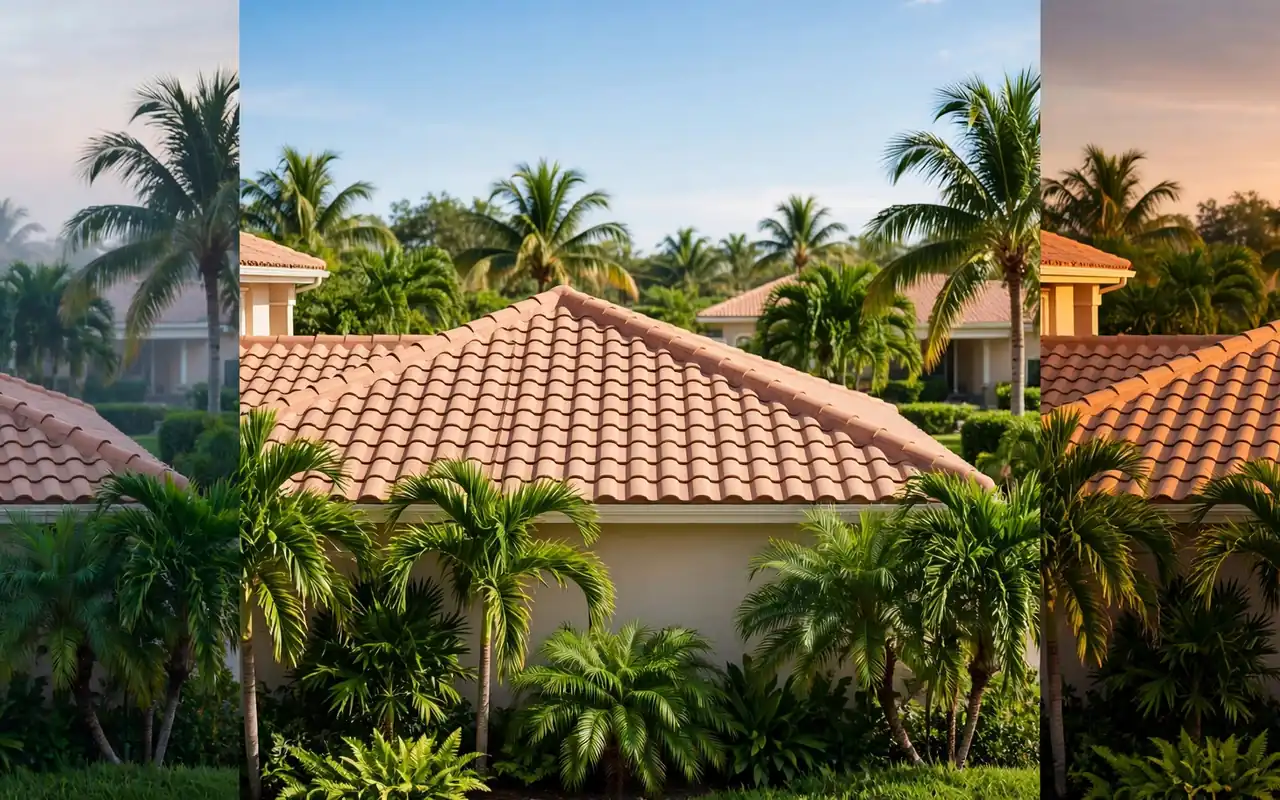
Check three things before you decide anything. First, verify the roof age the letter assumes. Homes carry permit records for re-roofs, and a replacement the company missed changes the whole calculation. Second, note the exact deadline and what the letter asks you to send. Third, decide your path: documentation of a younger roof, an inspection under section (5)(c), or replacement planning when the roof truly is at the end. A roofer who handles these letters weekly can help you sort which path your roof is on, starting with one call.
The inspection, up close
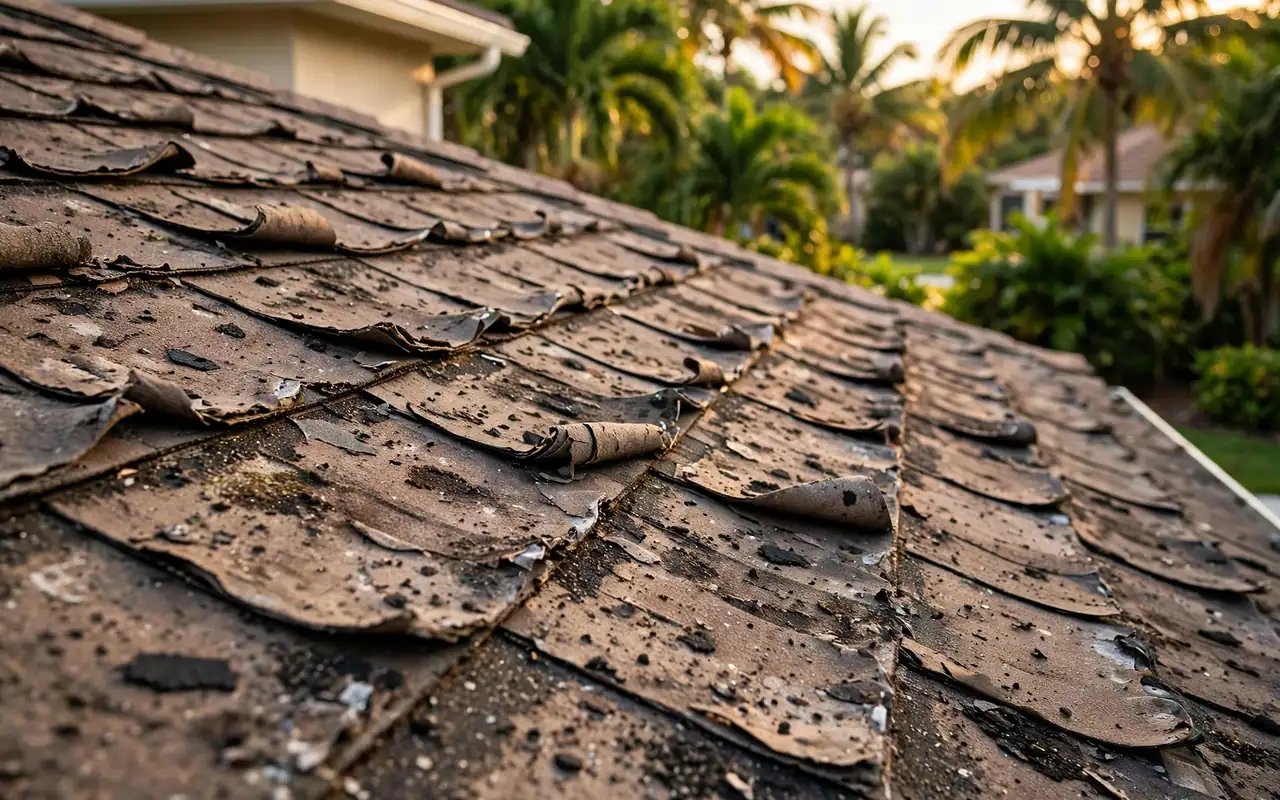
The inspection under the 15-year rule is a condition report on your whole roof. The inspector walks the surface, checks the covering material for wear, looks at flashing, valleys, vents, and edges, and weighs signs such as granule loss on shingles, cracked or slipped tile, underlayment clues at edges, seam condition on low-slope sections, and corrosion on coastal metal. Photos document each finding.
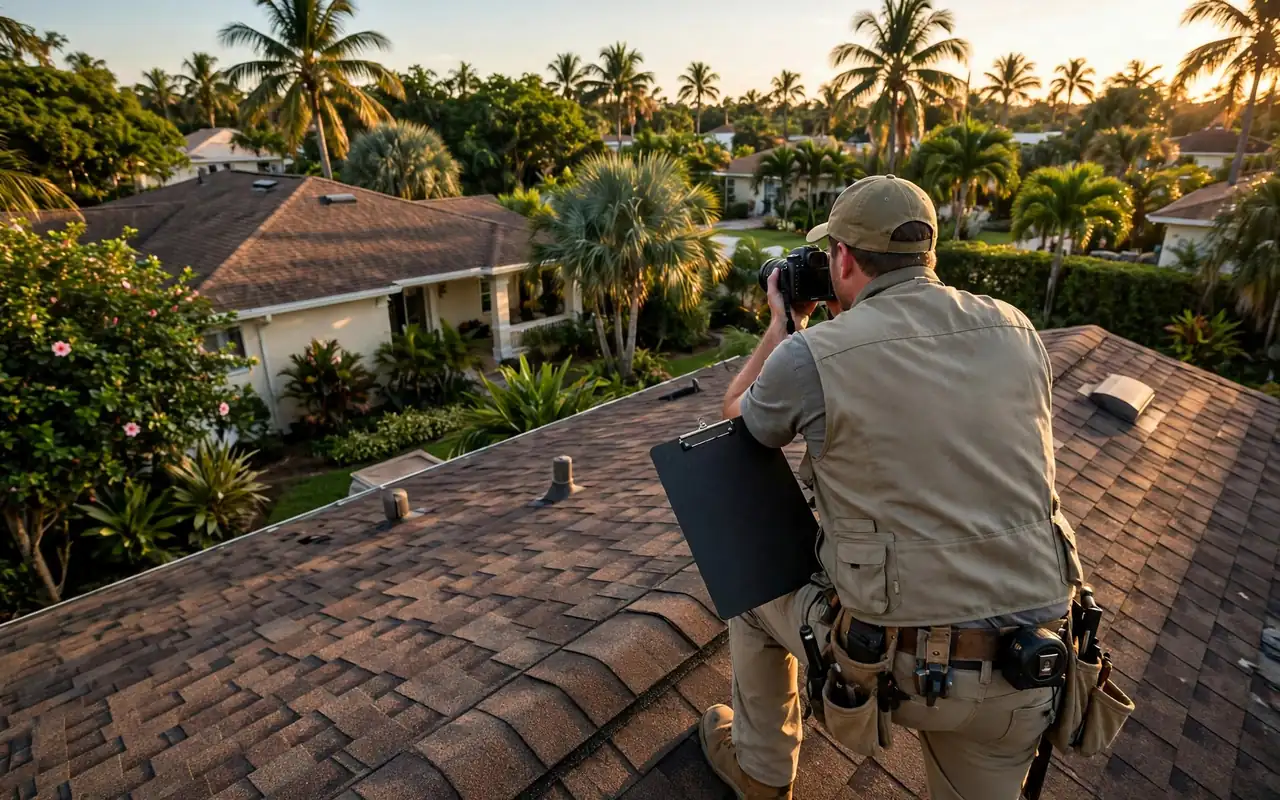
The report's key line is the estimate of remaining useful life. That single finding drives the outcome:
Five years or more of useful life. The statute says the insurer may not refuse to issue or renew your policy solely because of roof age. Your roof stays, your policy question closes for now, and you gain a dated report that describes your roof's condition, which is useful paper for any future conversation. Sensible follow-up: handle any small repairs the report flagged, and keep the report with your policy documents.
Less than five years of useful life. The age objection stands on evidence now, and your decision becomes practical. Targeted repairs sometimes restore condition in specific areas, and an inspector can say whether that path is realistic for your roof. When the whole covering is tired, replacement planning begins, with the inspection photos as the starting point for a written scope. Either way, you are deciding from findings rather than from a form letter.
Roof age questions that trip people up
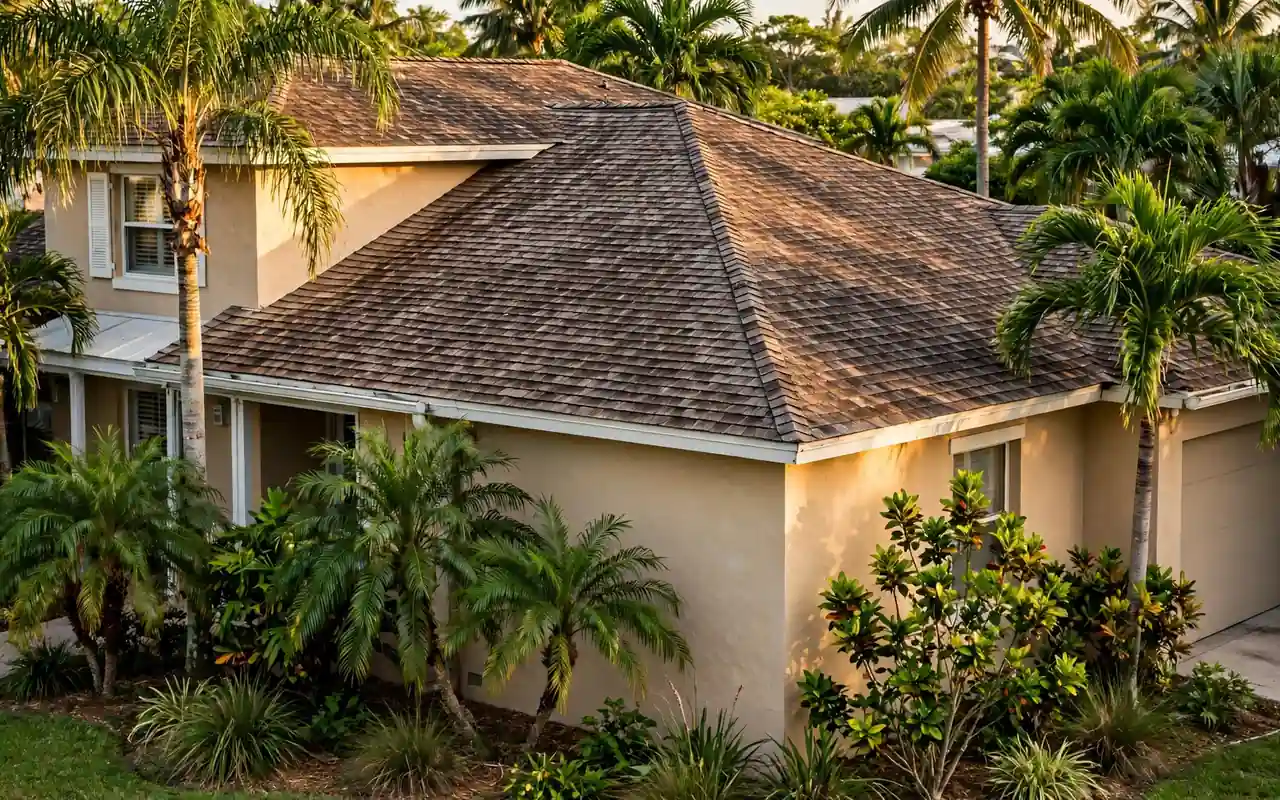
My house is forty years old. Is my roof forty years old? The statute counts from the last full build or replacement of the entire roof surface. A forty-year-old house on its second roof, replaced nine years ago, has a nine-year-old roof under the rule. Permit records and contractor paperwork establish that date.
I had half the roof redone after a storm. Did the clock reset? A partial replacement covers less than 100 percent of the surface, so the statutory clock keeps its earlier date. This is one reason full documentation of any storm work matters.
The tile on my roof can last fifty years. Why am I getting a letter? Insurers look at the whole system, and tile systems hide their aging layer. The underlayment beneath tile commonly lasts twenty to twenty-five years, and an inspection reads the underlayment clues along with the tile. A sound inspection result is exactly how a long-lived tile roof answers an age letter.
My roof is fourteen years old and I got a letter anyway. Section (5)(b) addresses roofs under fifteen years directly: refusal solely because of age is off the table. Letters can still arrive asking about condition or documentation. A call with the letter in hand sorts out what the company is actually asking for.
The wind mitigation report is a different tool
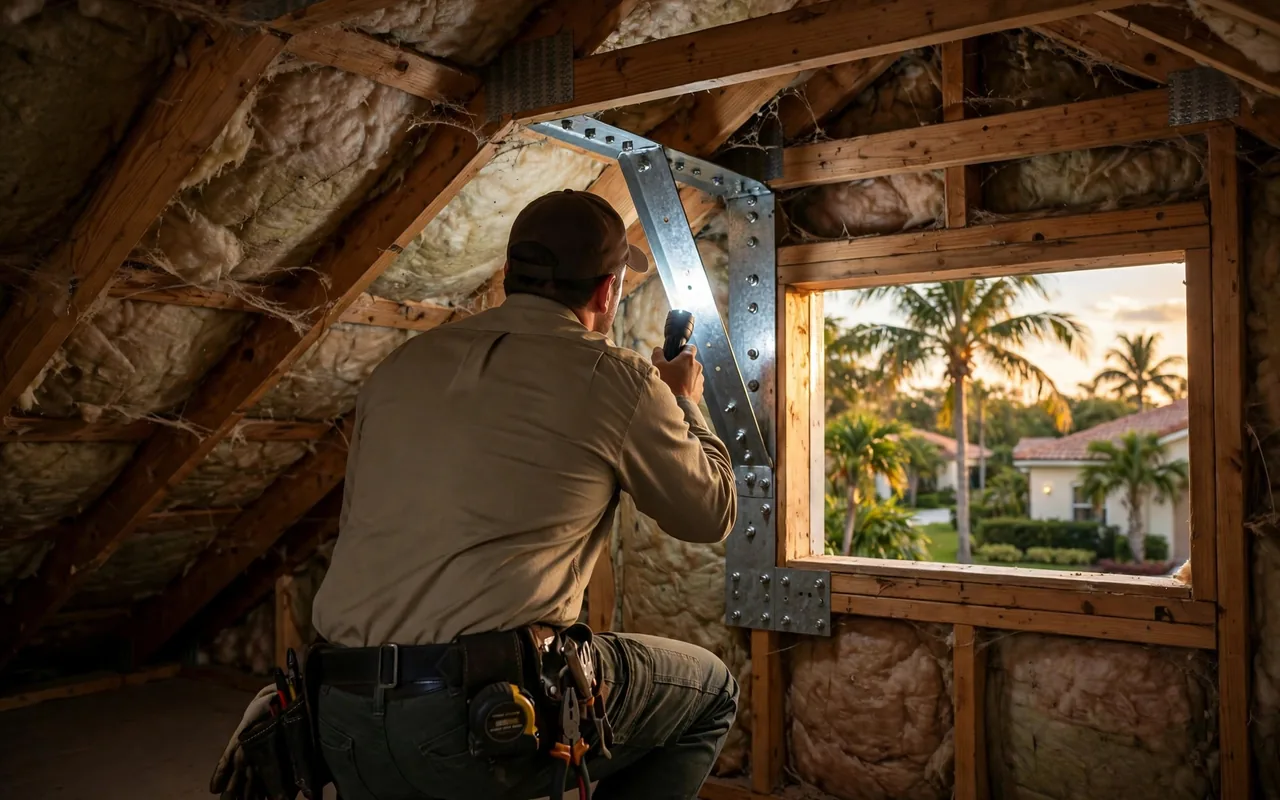
Homeowners often meet two inspection types in the same season. The roof-age inspection under 627.7011 answers a coverage question. A wind mitigation inspection answers a pricing question: it documents storm-resistant features such as roof-to-wall connections and deck attachment on Florida's form OIR-B1-1802, and insurers use it when setting wind credits. One report cannot substitute for the other, and many Palm Beach County homeowners end up with both in the same folder. Ask on the call which one your letter requires.
Your next four steps
- Find the letter and note its deadline date and exactly what it asks you to send.
- Gather your roof's paper: the year of the last full replacement, permit records if you have them, and any past inspection reports.
- Call and describe the letter, the roof's material, and its replacement year as best you know it.
- Schedule the inspection the statute describes, or start replacement planning with a written scope when the roof's condition points that way.
Frequently asked questions
What is Florida Statute 627.7011?
It is the Florida law that governs several homeowners insurance topics, and its section (5) covers roof age. The section says an insurer may not refuse to issue or renew a policy solely because a roof is under fifteen years old, and it gives owners of roofs fifteen years and older the right to an inspection by an authorized inspector before replacement can be required as a condition of coverage. The roof-age provisions apply to policies issued or renewed on or after July 1, 2022.
Who can perform the inspection the statute describes?
Section (5)(a) names licensed home inspectors, certified building code inspectors, licensed general, building, and residential contractors, licensed roofing contractors, licensed professional engineers, licensed professional architects, and any other inspector the insurer recognizes as qualified. The inspection is performed at the homeowner's expense.
What does five years of useful life mean in practice?
It is the inspector's documented judgment that your roof, in its current condition, can be expected to keep doing its job for at least five more years. When the report says that, the statute blocks an age-only refusal. The finding rests on the covering's condition, flashing and edges, underlayment clues, and the roof's repair history, all photographed during the visit.
My inspection found less than five years. What happens now?
The insurer's age position gains support, and your choices become concrete. Some roofs respond to targeted repairs in the weak areas the report identified. Others are worn across the whole surface, and replacement becomes the plan. Either way, ask for the scope in writing, with the inspection photos attached to the conversation, so you can compare paths with real information.
Does a repair reset my roof's age?
Under section (5)(d), roof age runs from the last date when 100 percent of the roof surface was built or replaced. Repairs and partial replacements leave the original date in place. A full re-roof is what resets the clock, and its permit record becomes the paper your insurer will want later.
Will a new roof lower my insurance premium?
A new roof often improves how an insurer views a home, and wind mitigation features documented on form OIR-B1-1802 can support wind credits. Premium outcomes belong to the insurer and your policy, so treat any savings as the company's decision. What a replacement gives you is a reset roof age, a closed permit, and a roof built to current Florida Building Code fastening and underlayment standards.
How much does a new roof cost if I do need one?
Materials run in cost order: asphalt shingles first, then single-ply for low-slope work, then tile, then metal, then slate. Your home's size, pitch, and condition place it in that order, and an inspection turns that order into a written scope for your specific roof. This site publishes no figures because a figure without an inspection is a guess, and your decision deserves better than a guess.
How long does a roof replacement take?
For a typical single-family home, the work often runs about a week once permits are in hand, with tear-off and dry-in early and inspections setting the rhythm. Association approvals, material choices, and weather can stretch the calendar. The inspection report and the written scope give you the sequence for your home before work starts.
Your letter has a deadline. Start the inspection process now.
Statute 627.7011 gives you a process, and the process starts with a call and a proper look at your roof. Have the letter nearby when you dial, and let a local roofer walk you through what your roof, your deadline, and your options actually look like.
Questions about a roof, a letter, or a deadline start with a call.
Call Now{{TRACKING_NUMBER}}