

- The 15-Year Line, explained plainly
- FS 627.7011 inspection right
- Written scope before work begins
Roof Repair and Replacement in Wellington, the Village of 1990s Roofs
The 15-Year Line
- Year 1Roof age counts from the last full replacement of the whole surface.
- Year 15Year 15: Florida Statute 627.7011 gives you an inspection right (Wellington, most homes built before 2000).
- 5+ yearsUseful life an inspection can confirm, which blocks an age-only refusal.
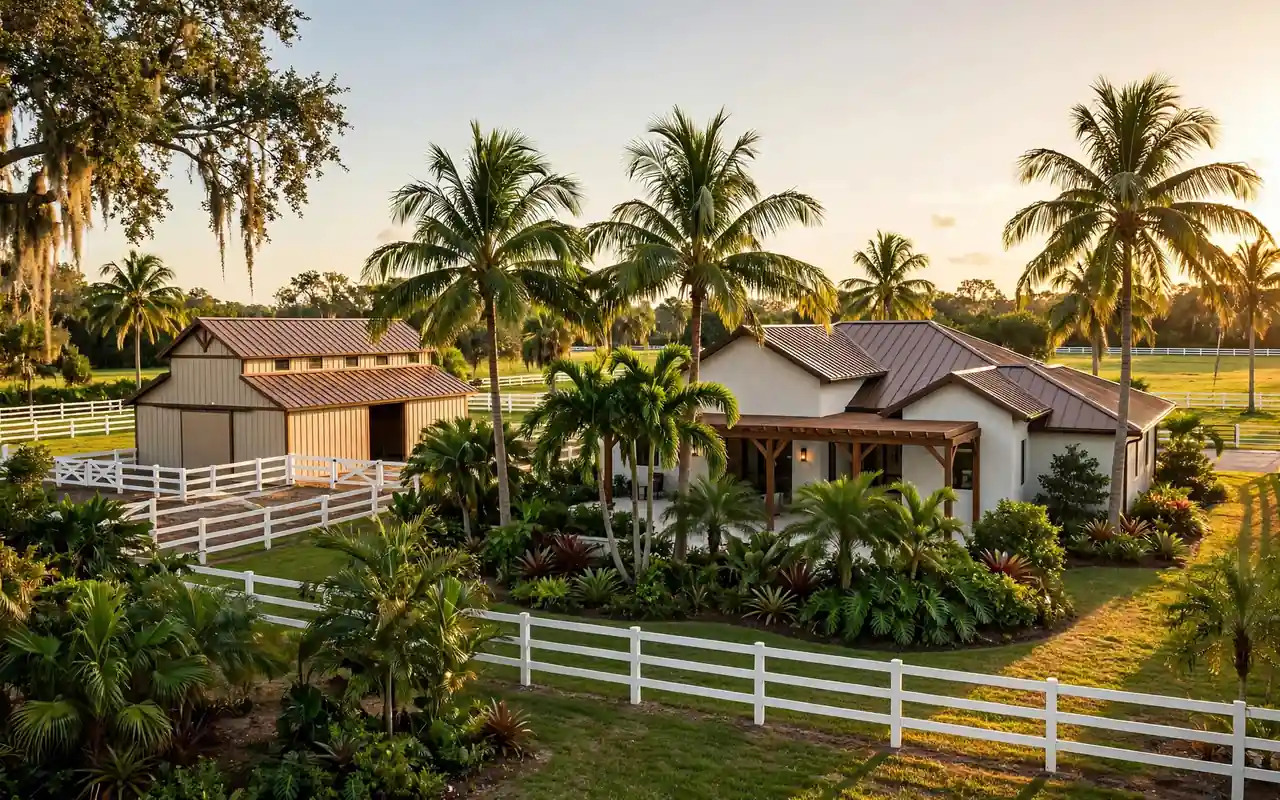
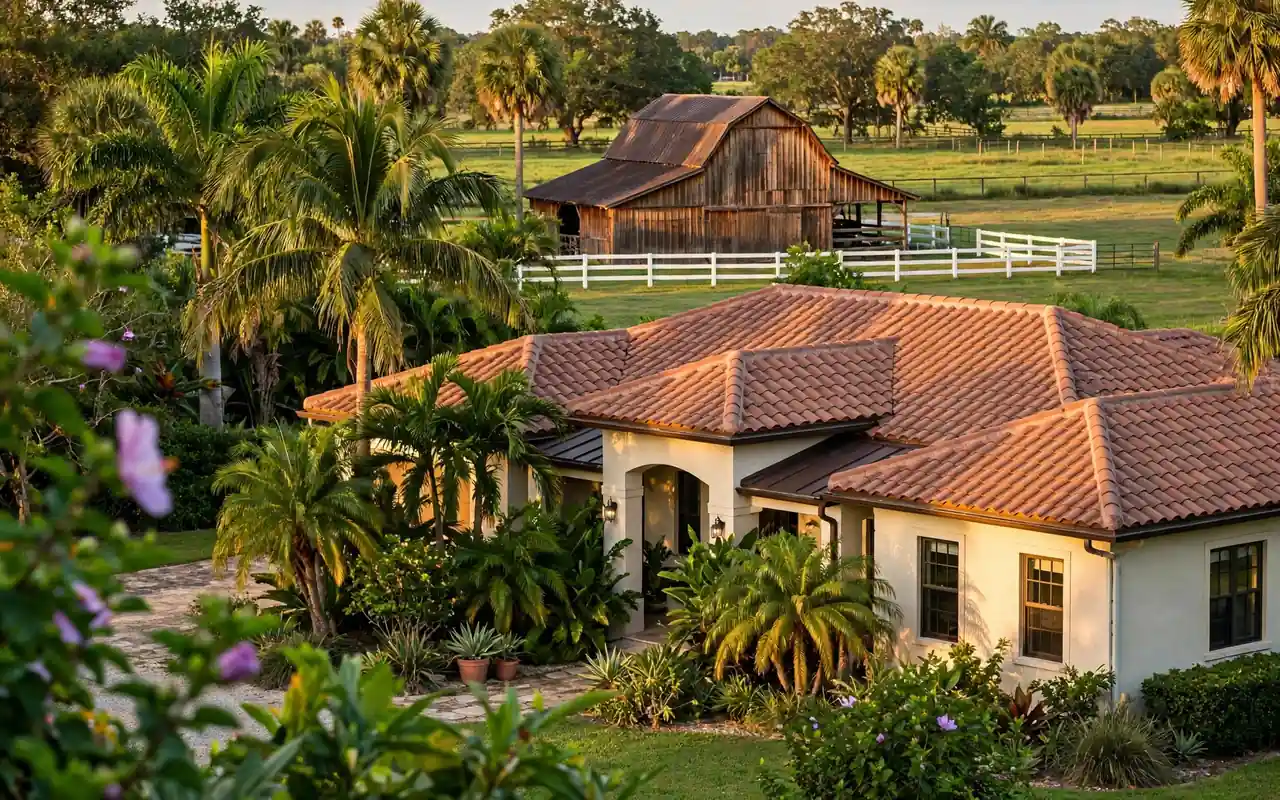
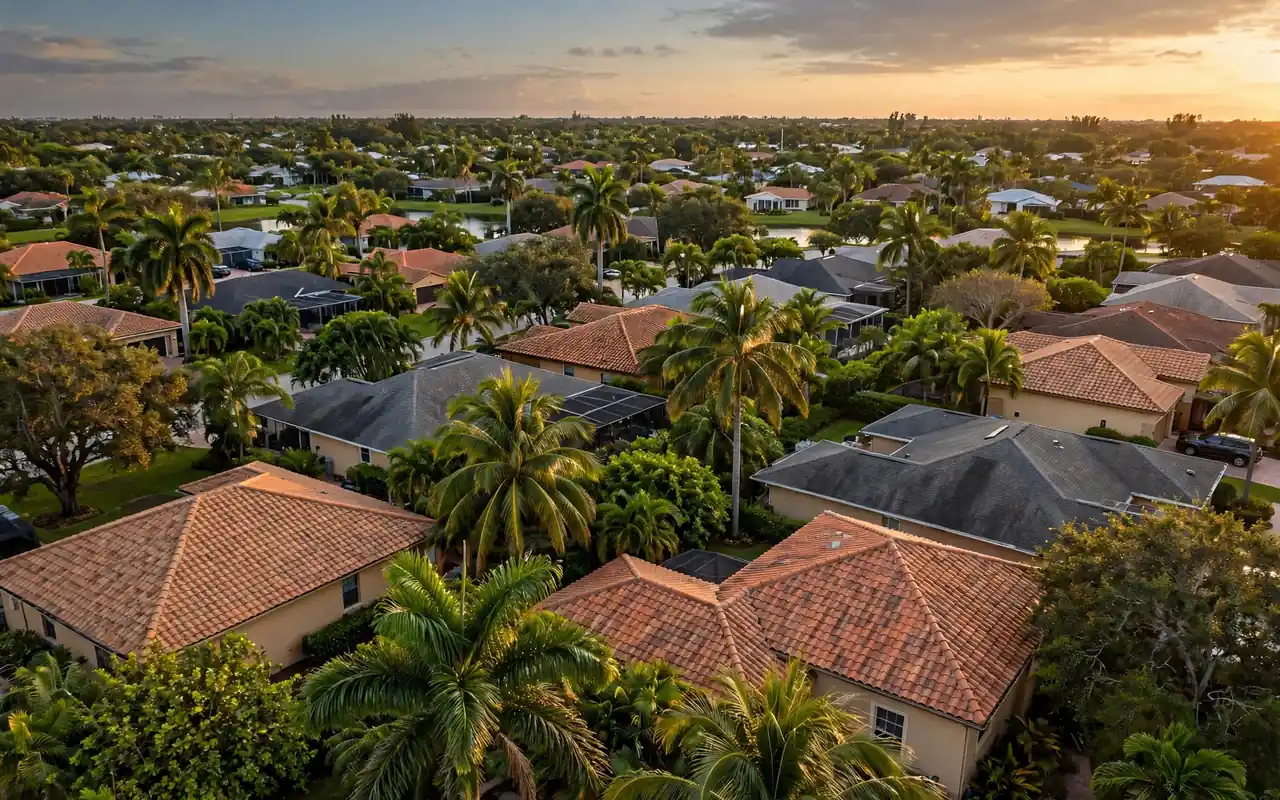
Wellington was built in a rush of tile and shingle through the 1980s and 1990s. The median home dates to 1995, and about 62 percent of homes here stood before 2000. That math puts a village-sized wave of original and second roofs at replacement age in the same few years. Add Wellington's other identity, the winter equestrian capital, where properties work hard all season and then sit quieter through the summer, and you get this village's particular roof problem: big roofs, aging together, on homes and barns that spend hurricane season with nobody watching the ceilings. Palm Beach Roofing Help connects Wellington homeowners with roofers who work both sides of that story.
Which of these sounds like your roof?
My 1990s roof just got its first insurance letter. A home built in 1995 on its second roof crosses the fifteen-year line right about now. Florida law gives you an inspection path before replacement can be required, and that path starts with dating the current covering.
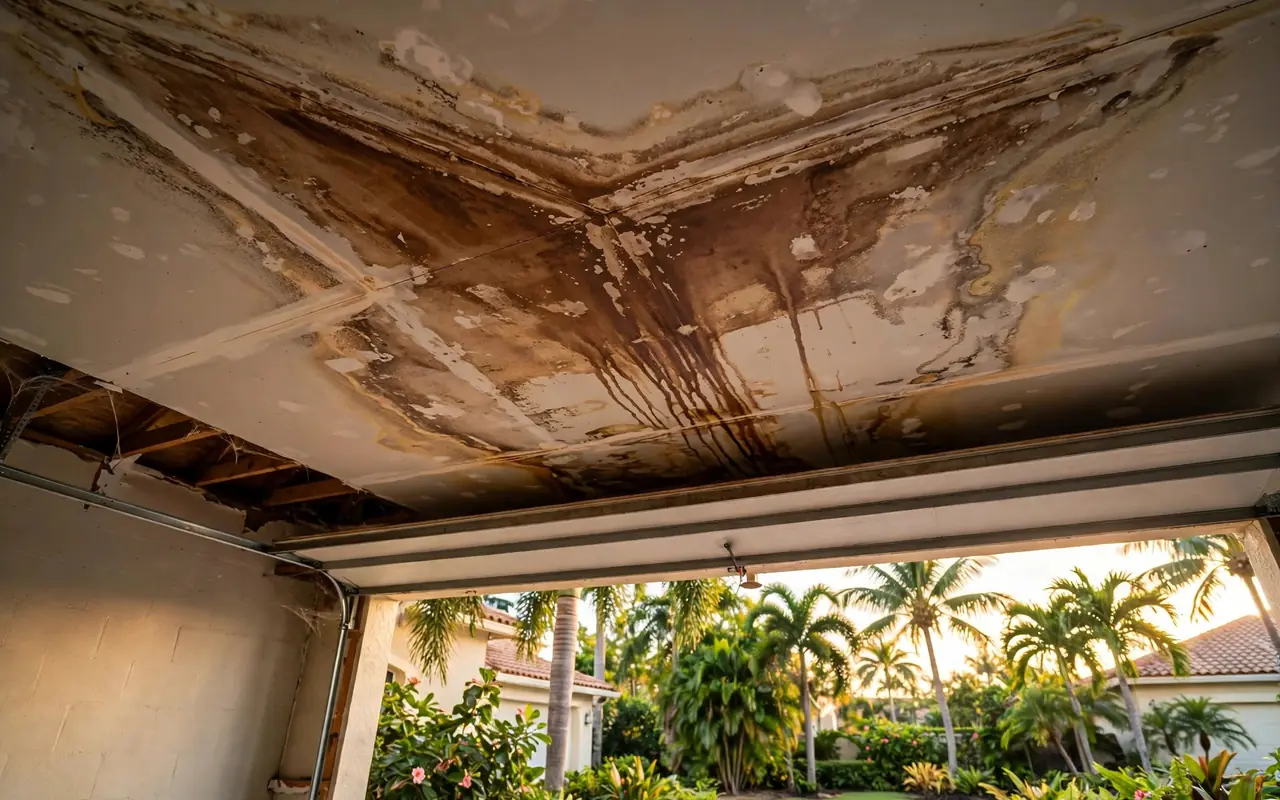
Our place sits quiet all summer. Equestrian properties near the showgrounds run on a seasonal rhythm. Wellington homeowners found Irma damage weeks after the storm, when slow leaks through tired underlayment finally stained a ceiling. A roof nobody watches needs a pre-season check more than any other.
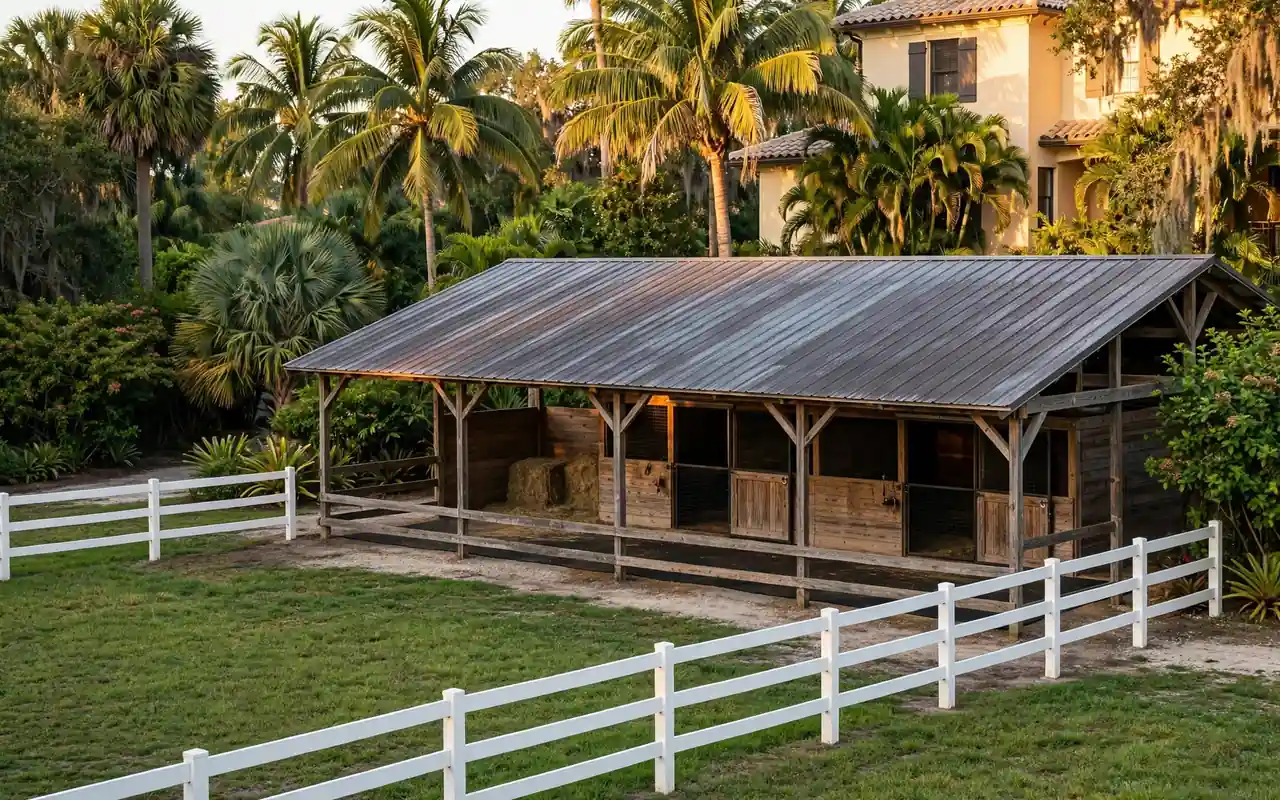
The barn roof worries me as much as the house. Barns and arenas take the same wind and rain, and their metal and low-slope roofs age on their own schedules. Saddle Trail Park, the non-HOA equestrian community of about 500 custom homes and estates in the Equestrian Preserve, holds homes and barns dating from the early 1980s through the 2000s, all facing roof decisions in the same era.
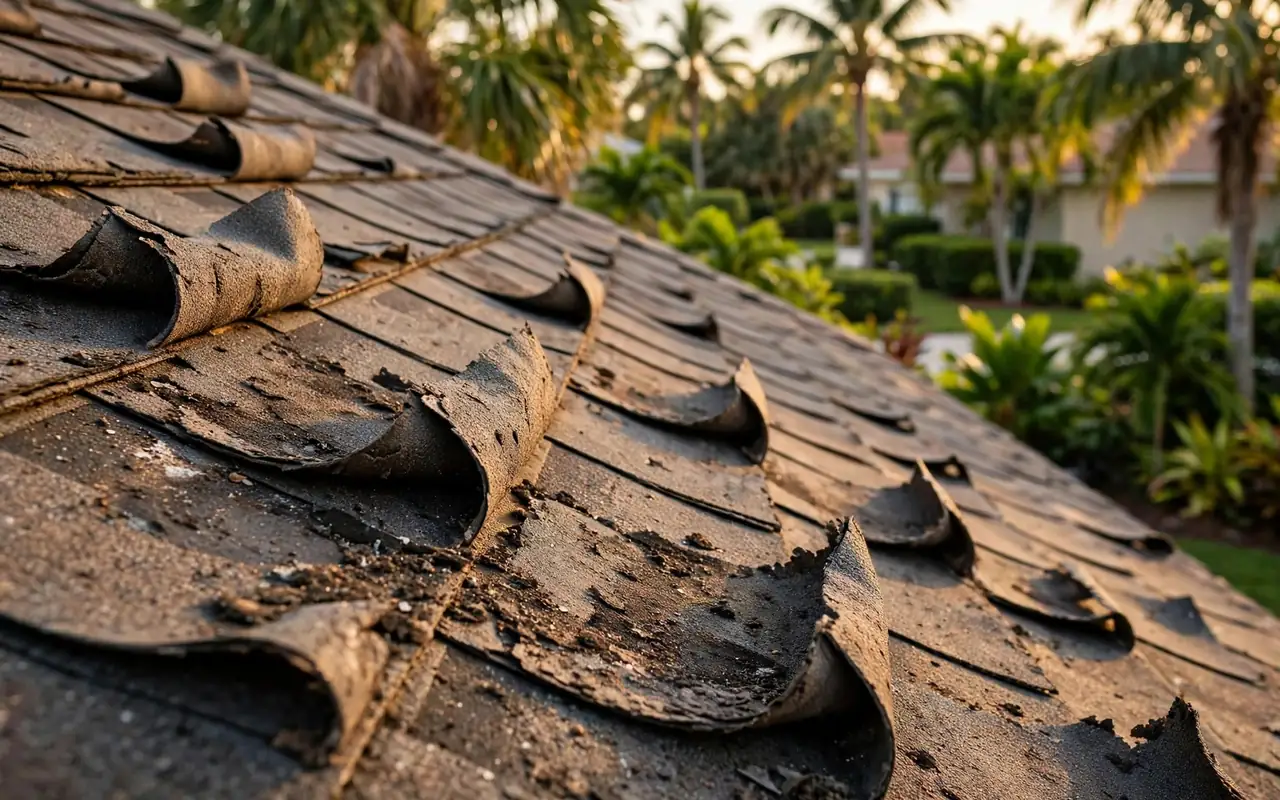
A leak showed up over the garage. Valley and transition leaks are the classic Wellington repair call, where tile meets shingle or a slope changes pitch. Contained damage on a sound roof is a repair, and this city's homeowners ask for that honest judgment by name.


The 15-year line in Wellington
Florida Statute 627.7011 blocks age-only refusals below fifteen years. For Wellington roofs past fifteen years, an inspection by an authorized inspector at your expense comes before any replacement requirement tied to coverage, and documented useful life of five years or more blocks an age-only refusal. Wellington's 1980s and 1990s stock means whole streets are learning this rule in the same season. Our guide to the 15-year rule explains the statute, the inspection, and both outcomes.
Tile and shingle, at village scale
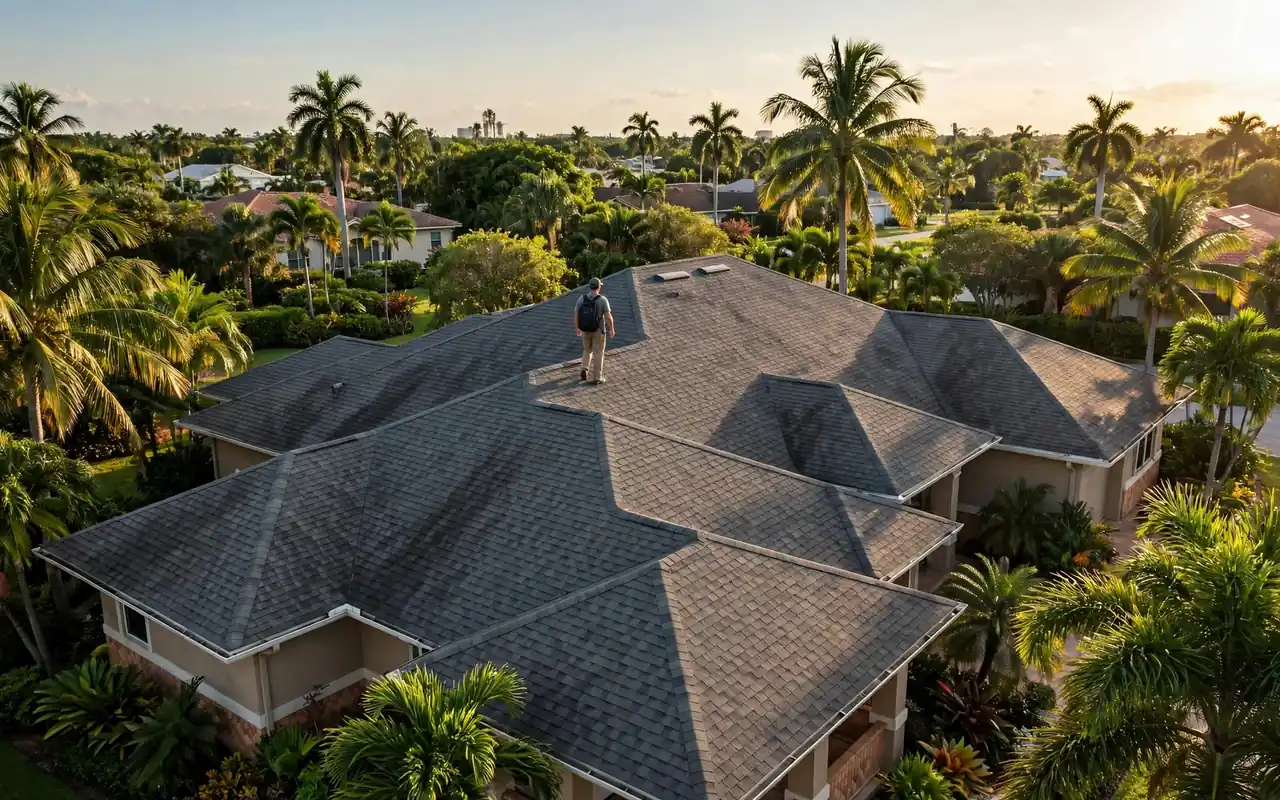
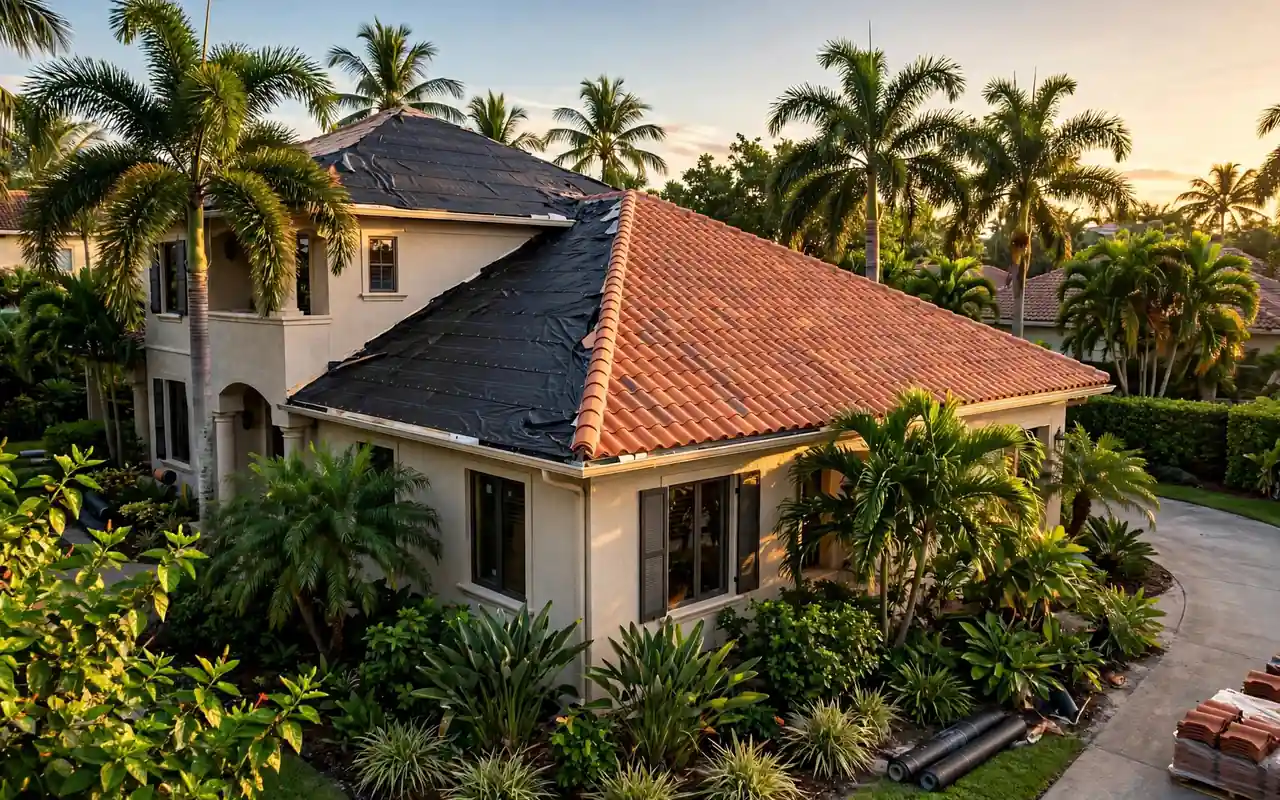
Wellington roofs run large: multi-slope tile over family homes, shingle on the earlier buildout, metal on barns and outbuildings. Size changes the inspection, which goes slope by slope, and it changes repair math under Florida's 25 percent rule, since a quarter of a big roof is a lot of roof. It also changes scheduling: permit, plan review, dry-in inspection, and final inspection pace a job that can span many working days of material handling alone.
The seasonal calendar is a roofing calendar
Winter season fills the village. Summer empties much of it, and summer is hurricane season, June 1 to November 30. The practical rhythm local roofers suggest is simple: inspections and repairs in spring, while the property is occupied and the weather is calm, so the roof enters the quiet months already answered. Insurance letters fit the same rhythm, since an inspection report in hand before summer settles the coverage question and the storm question with one visit.
Frequently asked questions
What does the insurance letter mean for my Wellington home?
It means your insurer believes your roof is fifteen years or older and wants evidence about its condition. Florida law gives Wellington homeowners an inspection by an authorized inspector before replacement can be required as a condition of coverage. Five years or more of useful life in a Wellington report blocks an age-only refusal. Wellington's 1990s stock is meeting this letter in large numbers right now.
Can my Wellington roof be repaired instead of replaced?
Wellington's leading search is roof repair for a reason: many leaks here are contained failures at valleys, transitions, and flashing on otherwise sound roofs. Those are repairs. Wear across every slope, or underlayment failure under tile, points toward relay or replacement. An inspection with photos makes the call honestly.
How long will my roof last in Wellington?
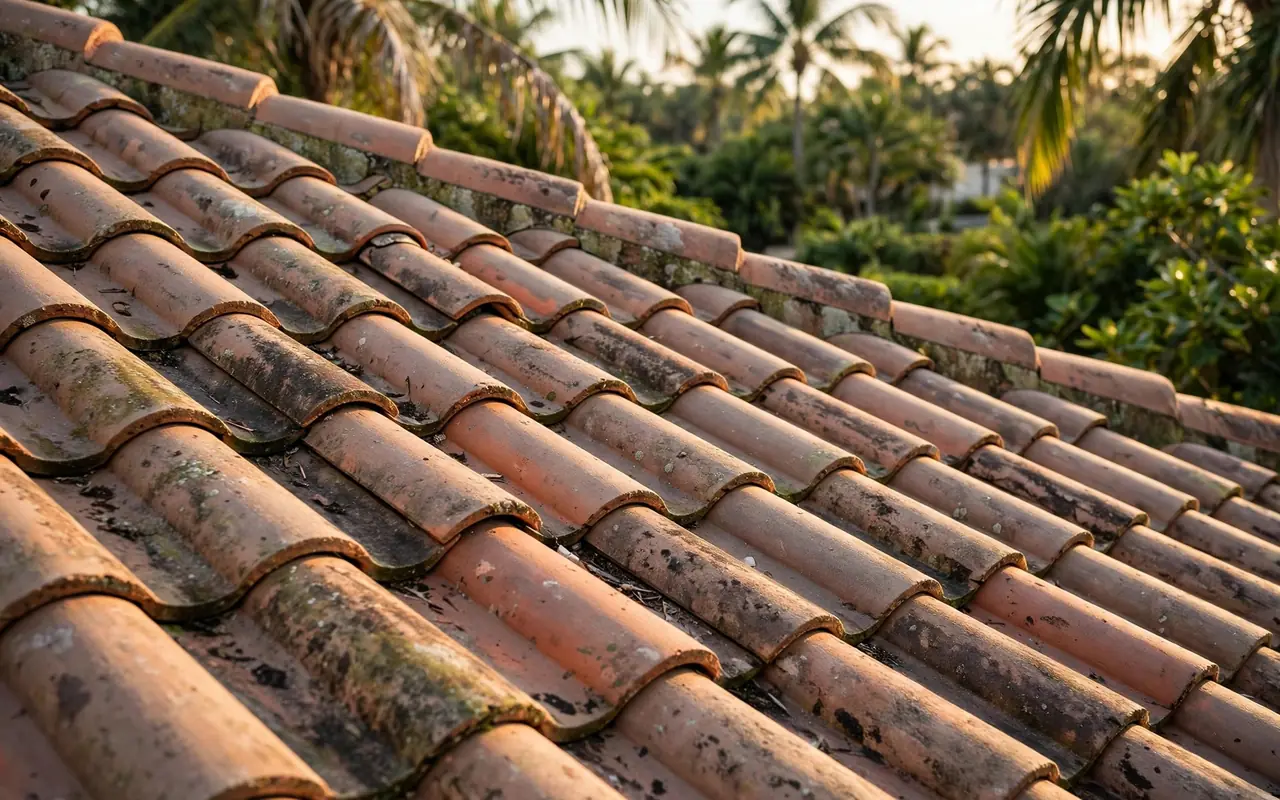
Wellington shingle commonly serves fifteen to twenty years in South Florida. Tile surfaces serve decades longer, while their underlayment runs twenty to twenty-five years. A median 1995 home is therefore at some layer's decision point almost by definition, and the inspection identifies which layer.
Should the barn roof be part of the conversation?
Yes, when the property has one. Barn and arena roofs face the same storm season, and their condition affects the property's overall risk picture. Mention outbuildings on the call so the roofer can plan one visit that covers the house and the barn.
How much does a new roof cost in Wellington?
Wellington material costs run in order from shingles, then single-ply, tile, and metal, up to slate. Wellington's larger roof footprints move totals along that ladder faster than smaller homes. Ask on the call for an inspection and a written scope sized to your actual slopes.
Does homeowners insurance cover storm damage in Wellington?
Insurance generally responds to sudden damage from a covered event, such as wind lifting a section during a named storm. Slow wear and age sit under different rules. Wellington's Irma lesson was timing: hidden damage surfaced weeks later, so post-storm checks matter even when the house looks fine from the driveway.
Do I need a permit for a re-roof in Wellington?
Yes. A Wellington re-roof needs a permit, with plan review, a dry-in inspection, and a final inspection in sequence. Roofers who work the village regularly handle the filing as part of the job, and the closed permit documents your roof's age for future insurance conversations.
Spring is the season to answer a Wellington roof
Inspections, repairs, and letters all resolve easier while the village is full and the skies are calm. One call starts the sequence.
Wellington roof questions, letters, and deadlines start with a call.
Call Now{{TRACKING_NUMBER}}